 Disaster Management
What’s New

Towards resilient and safe communities
As the disaster risk landscape is rapidly changing, it is imperative to invest in resilience for a safer future. Reliance Foundation aims to make communities and systems resilient by improving anticipatory, absorptive, adaptive and transformative capacities to the effects of disasters and climate change. It is committed to strengthening disaster response systems, ensuring that people affected by disasters receive timely and quality humanitarian assistance, and enabling communities to better manage and recover from disasters.
Reliance Foundation supports building safer, disaster-resilient communities in alignment with the Sendai Framework for Disaster Risk Reduction.
Key objectives of our programme are:-
- Establishing collaborative action to address underlying risk factors to reduce exposure to hazards
- Augmenting local capacities in emergency preparedness and response
- Enhancing sectoral capacities for effective and timely disaster response
Strategies to accelerate disaster resilience
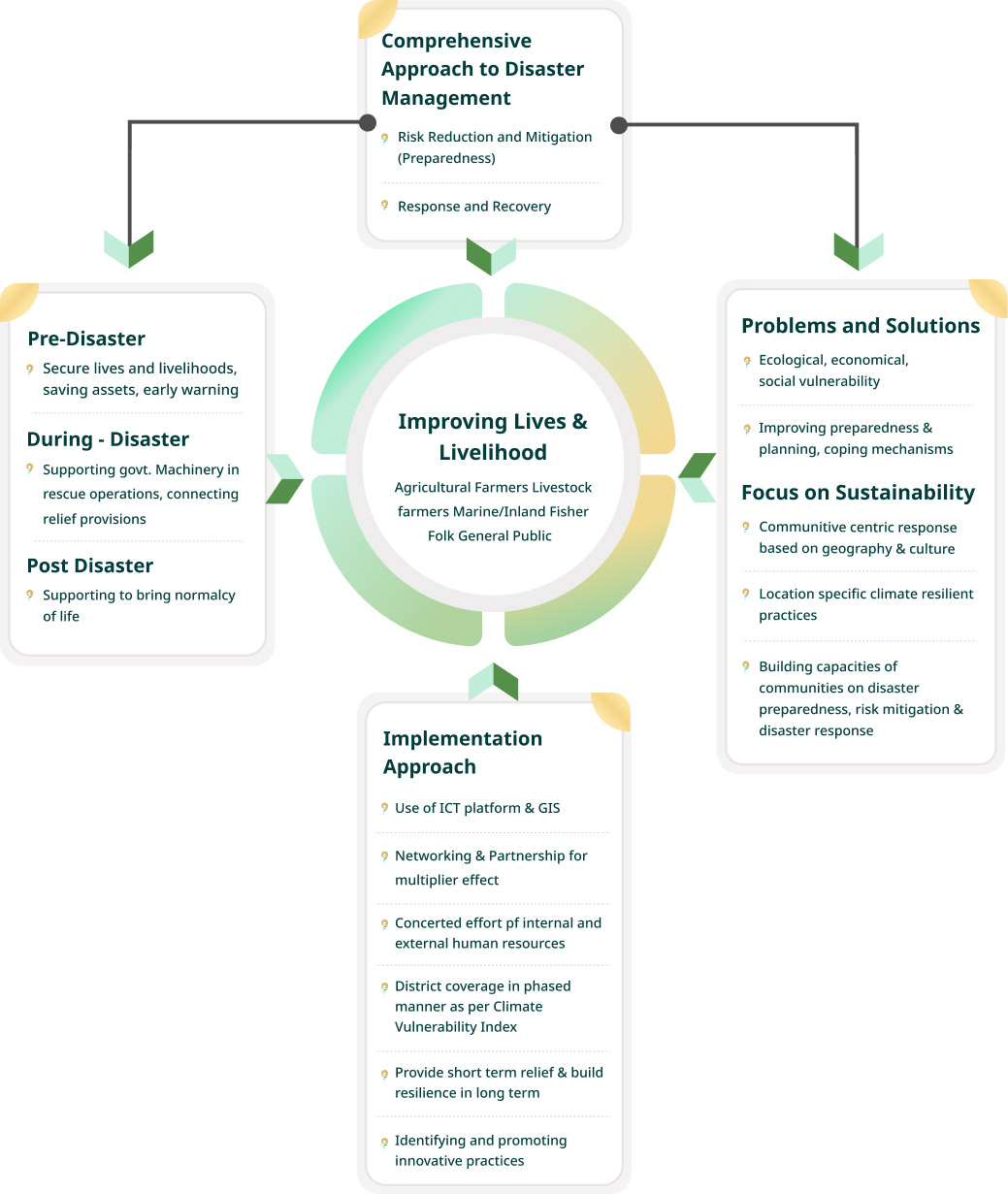
Reliance Foundation uses a holistic, proactive, technology-driven, and sustainable approach that engages all stakeholders and promotes a culture of prevention, preparedness, and mitigation. To accelerate disaster resilience, it implements a comprehensive seven-point strategy.
- Mainstreaming DRR for Sustainable Development – Capacity building of PRI members on integrating disaster risk considerations into sustainable development planning to safeguard lives, livelihoods, and infrastructure.
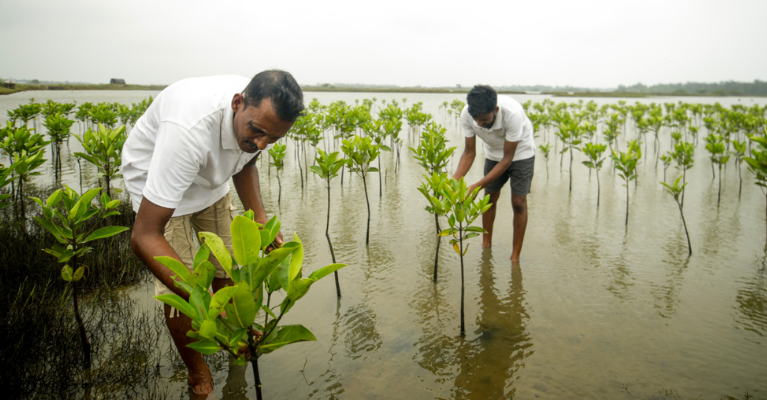
- Nature-Based Solutions (NbS) – Restoring mangroves, wetlands and other ecosystems to reduce disaster risks while enhancing environmental and community resilience through plantation and conservation measures.
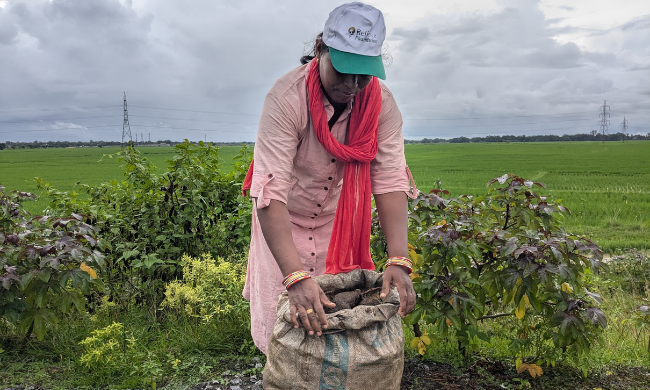
- Climate-Resilient Livelihoods – Promoting climate-smart agriculture for strengthening agri-allied livelihoods to adapt to climate variability through resilient practices and risk-informed planning.
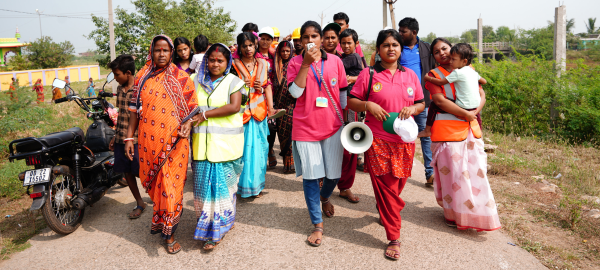
- Early Warning and Early Action (EWEA) – Translating timely, credible early warnings into community-level preparedness and anticipatory actions to minimise disaster impacts.
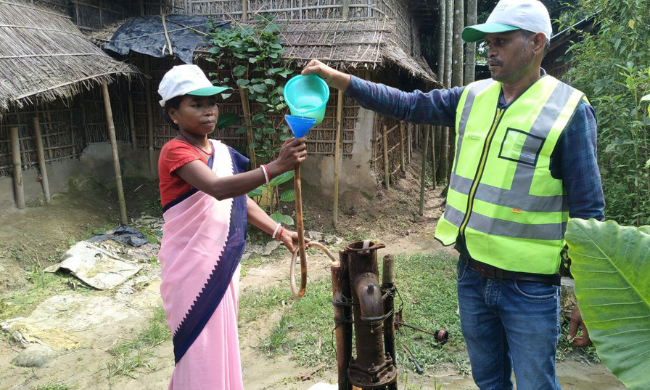
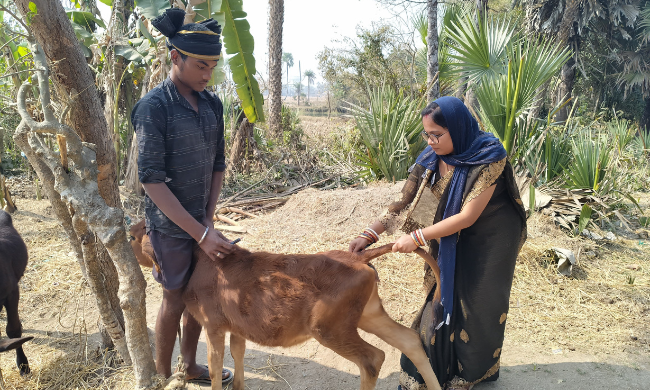
- Capacity Development for Disaster Preparedness – Enhancing institutional and community capabilities in Public Health Risk Management (PHRM), Livelihood Protection in Emergencies (LPE) and Crop Protection in Emergencies (CPE), to enable effective disaster preparedness and response.
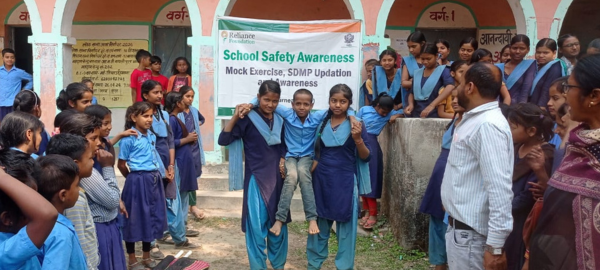
- School Safety – Promoting safe learning environments through risk-informed school infrastructure, preparedness planning, and disaster awareness among children and educators.
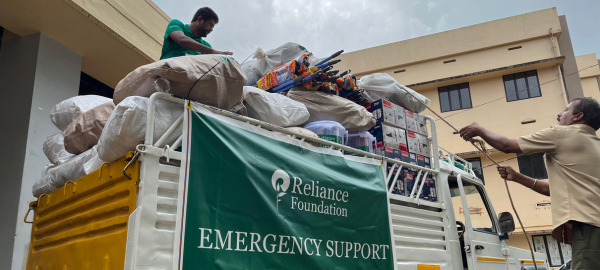
- Surge Capacity – Strengthening disaster preparedness by increasing surge capacity and enhancing sectoral capabilities to enable effective and timely disaster response.
The Reliance Foundation Disaster Management Programme is ISO 9001:2015 compliant, reflecting its commitment to maintaining the highest standards of quality in programme design and implementation.