Test Article

Submitted by ayushi.pal on
IOC session in Mumbai

Mrs Nita M Ambani, IOC member and Founder Chairperson of the Reliance Foundation, thanked honourable Prime Minister, Shri Narendra Modi, for inaugurating the opening ceremony of the 141st IOC session in Mumbai on Saturday.

Speaking on the occasion, Mrs Ambani said, "Respected Prime Minister, we are filled with immense joy and gratitude that you have joined us today. You are the leader of the world's largest democracy, the Architect of New India. Your support to sport has made this session in India a reality."

Sir H. N. Reliance Foundation Hospital

Disaster Risk Reduction

Mainstreaming Disaster Risk Reduction

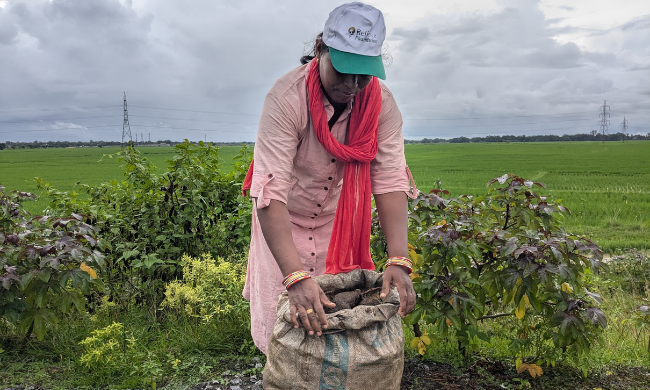
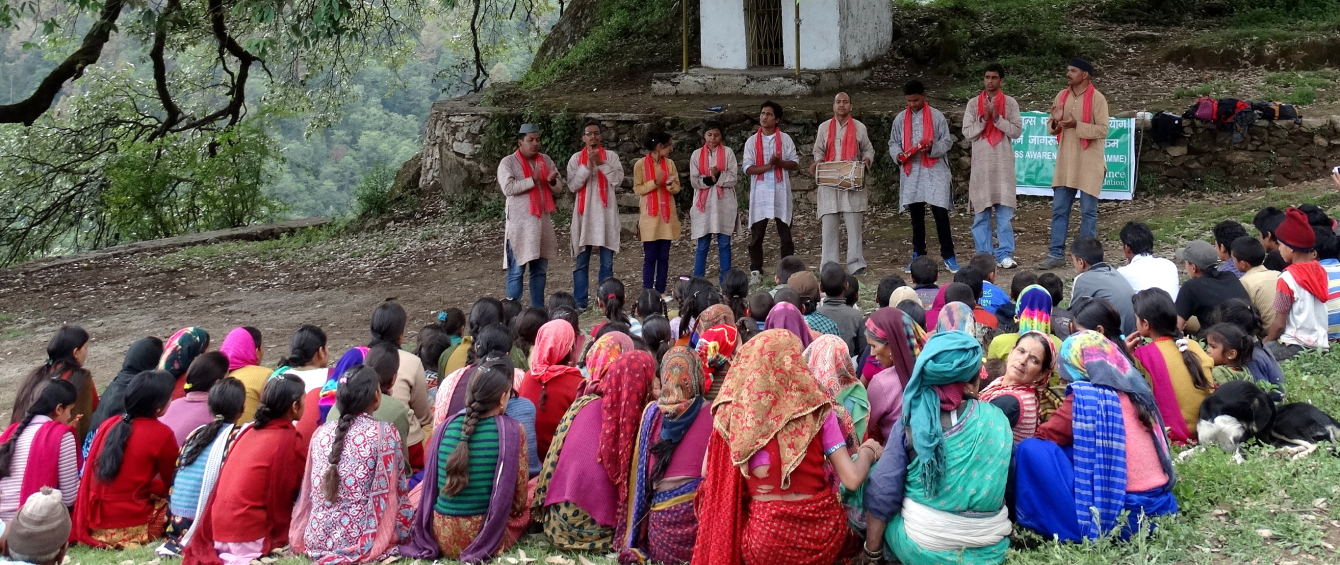
Reliance Foundation takes a holistic approach to address the underlying risk factors to prevent and mitigate disaster impacts. For safer communities and institutions, Reliance Foundation aims to embed Disaster Risk Reduction (DRR) in local planning; equip cities and panchayats for hazard assessments, prevention and mitigation.  

These initiatives aim to integrate Village Disaster Management Plans (VDMPs) with Gram Panchayat Development Plans (GPDPs) for leveraging government resources for localised risk reduction. NbS are promoted to reduce hazard exposure and enhance sustainability through interventions such as mangrove plantations as bio-shields in the coastal region, drought-resilient fodder systems for livestock in arid regions, and the plantation of various shelterbelt species. 

In parallel, the programme emphasises climate-resilient livelihoods by leveraging knowledge resources to strengthen awareness and capacity around adaptive livelihood and crop protection practices, thereby enhancing community resilience, economic stability, and sustainability for long-term rural livelihoods.

Reliance Foundation integrates Disaster Risk Reduction by using both advanced GIS-based tools and community-led hazard, risk and vulnerability assessments. GIS analysis is used to create hazard line maps and digital elevation models that help simulate disaster scenarios and support planning efforts. These insights strengthen community understanding of risks and inform local decision-making.

At the last mile, disaster management planning is designed to be community-led, inclusive and participatory. Integrating these plans with development programmes ensures that DRR is mainstreamed into long-term community development.

Community-led Hazard, Risk and Vulnerability Analysis (HVRA): Using GIS-based macro-level HVRA, hazard line mapping and DEM models, communities participate in analysing historical disaster impacts and the evolving risk landscape. Through participatory rural appraisal techniques, communities assess their exposure to hazards, socio-ecological factors and the resulting vulnerabilities and resilience levels.

Village Disaster Management Plans (VDMPs): Insights from community-led HVRA processes are used to develop and update VDMPs. These plans document the village’s hazard history and current vulnerabilities, and outline preparedness measures to mitigate future risks. VDMPs serve as essential tools for both administration and communities during emergencies, providing clarity on resources and response mechanisms.

Integration into GPDP: Integration of Village Disaster Management Plans into Gram Panchayat Development Plans ensures that disaster risk reduction is embedded within local development priorities and budgeting processes. This alignment strengthens risk-informed governance by enabling communities to proactively address hazards while leveraging government schemes for resilient and sustainable development.

Nature-Based Solutions for DRR

Reliance Foundation promotes bio-shields and mangrove plantation as nature-based solutions to reduce communities’ exposure to hazards. These initiatives are community-owned and community-driven, bringing together experts, technology and local leadership to strengthen resilience.

The programme supports site-specific interventions such as creating bio-shields along ocean and riverbanks, which offer natural protection against cyclonic storms, tsunamis, high winds and soil erosion. Community-led mangrove nurseries, natural regeneration practices to address fodder scarcity in drought-prone areas, and ecosystem-based approaches are used to build socio-economic and environmental resilience.

Awareness on Climate Resilient Livelihoods

The programme places climate vulnerability at the core of its planning and village selection process, prioritising communities that are highly exposed to climate-induced disasters. All project villages are severely affected by risks such as erratic rainfall, prolonged droughts, recurrent floods, and rising temperatures, which disrupt traditional livelihood systems and deepen poverty and inequality. Recognising that primary livelihoods are among the most impacted dimensions of climate change, Reliance Foundation emphasises resilience-building as a critical pathway to long-term recovery and economic stability.

Leveraging Reliance Foundation’s extensive outreach and its robust risk communication platform, the programme actively engages scientists, technical experts, and government officials on issues related to agriculture, livestock and fisheries sectors during disasters. These partnerships enable RF-DM to translate climate and risk information into actionable insights for communities. Through targeted awareness generation and capacity-strengthening initiatives, the programme promotes climate-resilient livelihood practices that help communities anticipate, adapt to, and recover from climate shocks.

By integrating climate risk considerations into livelihood planning, the programme aims to secure economic stability for households, reduce long-term disaster impacts, and foster resilience that enables communities to withstand future climate uncertainties while safeguarding natural resources.

Sir H. N. Reliance Foundation Hospital

Disaster Preparedness

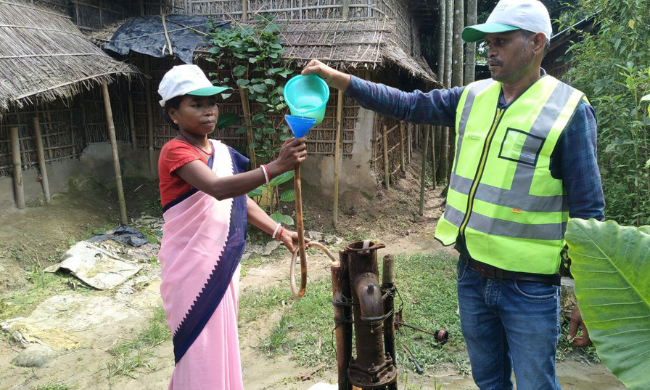
Reliance Foundation strengthens community preparedness for disasters through enhanced early warning systems, anticipatory action and localised risk reduction efforts. Using GIS, digital platforms and a multi-channel communication approach, we ensure improved awareness of vulnerable communities to save their lives and assets during disasters.

Our early warning programme equips communities with predictive insights and critical information, enabling them to take informed action ahead of disasters and minimise loss of life, assets and livelihoods.

Early Warning and Early Action

Early Warning and Early Action (EWEA) focuses on proactive disaster preparedness and risk reduction by ensuring that timely alerts are translated into effective preventive measures to minimise the loss of lives, livelihoods, and assets. By bridging the gap between hazard detection and on-ground response, EWEA enables communities and other stakeholders to act before disasters strike. This approach aligns with the Sendai Framework for Disaster Risk Reduction, which aims to substantially increase the availability of and access to multi-hazard early warning systems and disaster risk information by 2030.

Through its Disaster Management programme, Reliance Foundation strengthens last-mile early warning dissemination to enhance the timely preparedness of communities against climate-related hazards and reduce disaster impacts. Reliance Foundation partners with government agencies at national and sub-national levels, along with regional institutions, to receive timely advisories and support vulnerable communities to take early action.

Capacity Development

Reliance Foundation is building resilient communities by strengthening capacities to withstand and respond to disasters. We are developing a cadre of trained community volunteers skilled in first aid, search and rescue, public health risk management and livestock protection. Communities are supported to develop disaster preparedness plans, and regular mock exercises are conducted.

Our capacity development initiatives include creating repositories for public health risk communication, training master trainers and community cadres on WASH-focused public health management in emergencies, and integrating gender-responsive approaches including Menstrual Hygiene Management during disasters.

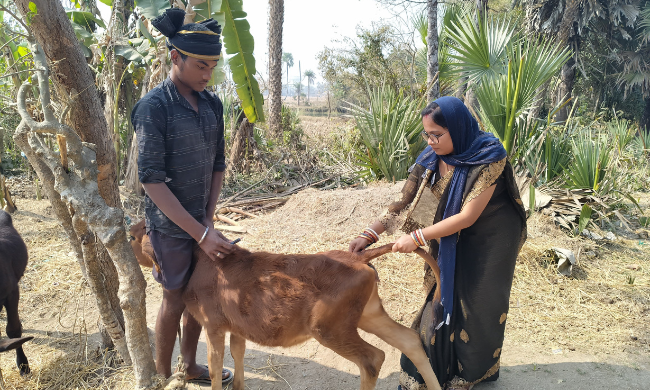
For livestock protection, preparedness modules draw from various guidelines and standards such as Livestock Emergency Guidelines and Standards (LEGS), Animal-Centric Technological Interventions in Emergencies (ACTIE), early warning systems, handling and feeding practices, and zoonotic disease management.

School Safety

Reliance Foundation is committed to creating safer and more resilient learning environments by actively engaging schools in disaster preparedness and risk reduction. By strengthening awareness, planning, and response mechanisms, the initiative supports schools in building resilience and improving their ability to respond effectively to emergencies.

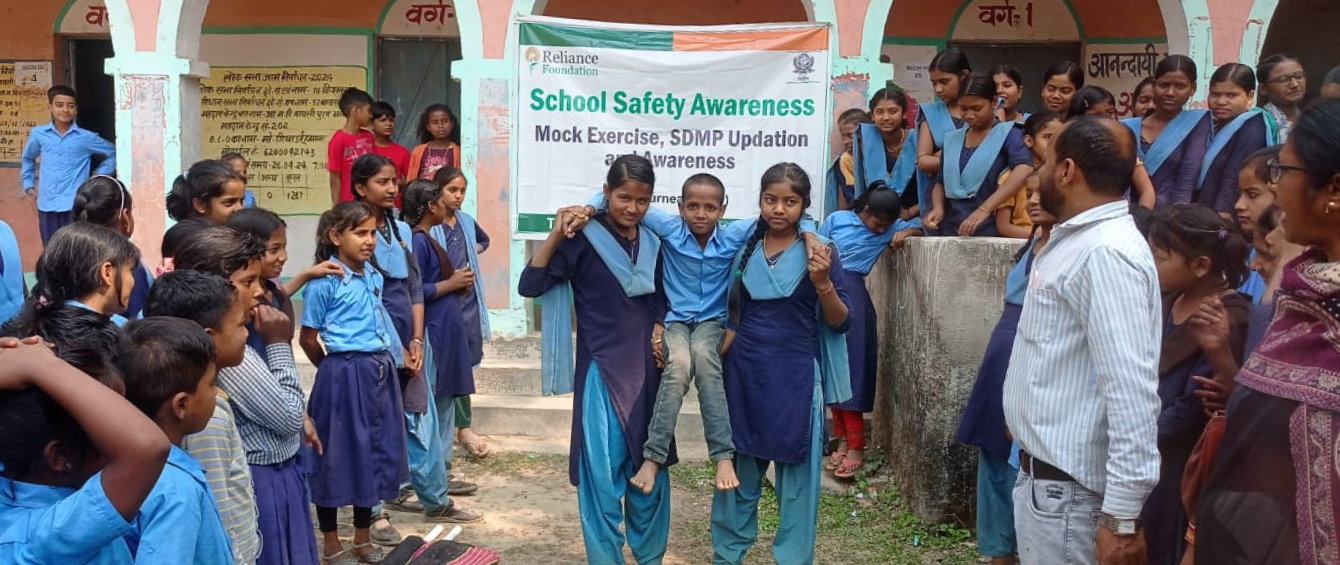
A key component of this effort is the development of School Disaster Management Plans (SDMPs), which is a structured framework that helps schools prepare for, prevent, respond to, and recover from disasters by identifying hazards, vulnerabilities, risks, and existing capacities. These plans are designed to ensure the safety of students, teachers, and staff while minimising disruption to education during emergencies. Preparing children on safety measures is critical, as managing large numbers of students during a disaster can be challenging without prior planning and practice.

Reliance Foundation undertakes a range of activities to strengthen school-level preparedness. These include conducting training of trainers for teachers on school safety, supporting School Management Committees in preparing and updating school safety plans, and organising regular mock exercises at the school level. Mock drills are conducted in collaboration with key government departments, fostering coordination and clarity of roles during emergencies.

Sir H. N. Reliance Foundation Hospital

Disaster Response

Disaster Response Operations

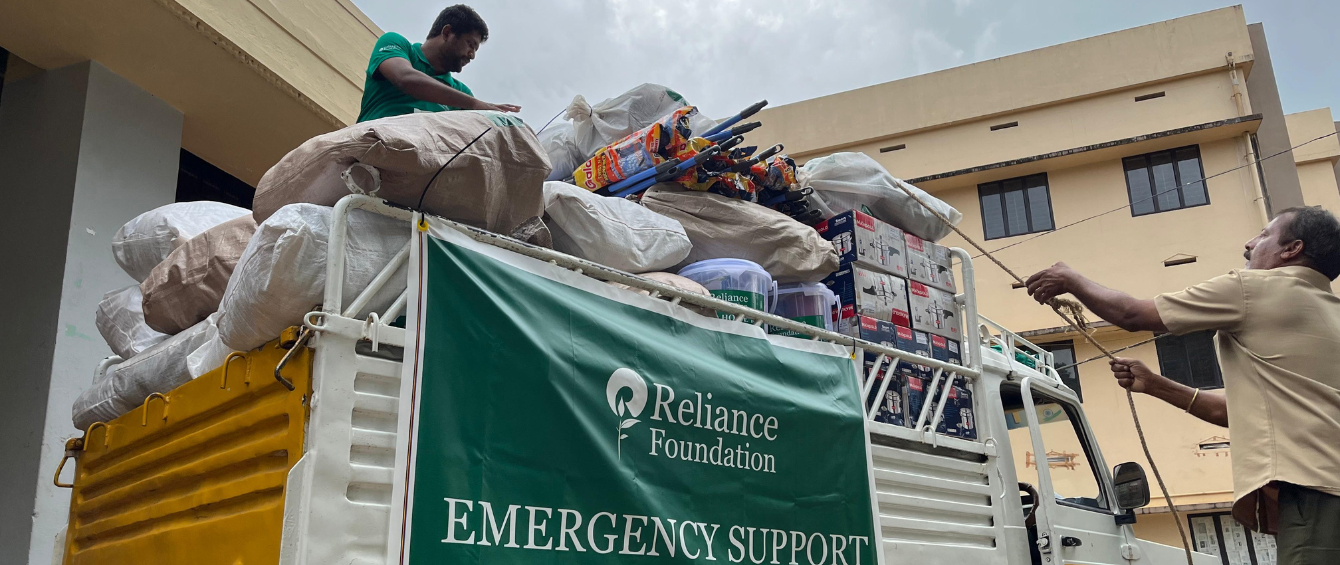
Reliance Foundation has stood with communities through multiple disasters across India, reaching over two crore people through its disaster management initiatives. With collaboration, innovation, and community-led action, it continues to build lasting resilience.

During the COVID-19 pandemic, Reliance Foundation mounted one of India’s largest private-sector responses, supporting over 1.9 crore people through food, oxygen, medical aid, and vaccination drives.

So far, Reliance Foundation has responded to over 60 disasters nationwide. In the recent Punjab floods, it activated a ten-point humanitarian response, working closely with authorities and local bodies to deliver urgent relief in Amritsar and Sultanpur Lodhi. Teams also provided timely assistance during floods in Solapur and Beed districts of Maharashtra, reaching the most affected communities quickly and effectively.

Across these emergencies, Reliance Foundation has provided timely relief through the distribution of essential supplies such as food items, non-food items including hygiene and sanitation materials, clothing, household items, emergency shelter kits, and other critical necessities. Recognising the central role of livestock in rural livelihoods, Reliance Foundation has been organising livestock health camps to provide emergency veterinary services and supplementary feeding support to protect animal health, prevent disease outbreaks, and safeguard household incomes. Given that public health risks escalate sharply during emergencies, Reliance Foundation has also undertaken extensive campaigns on public health risk management, ensured the provision of safe drinking water, and delivered other need-based emergency support in coordination with local authorities.

Reliance Foundation's relief interventions is aimed at meeting immediate survival needs, preventing the spread of diseases, restoring dignity and safety for affected families, and enabling communities to stabilise and transition towards early recovery.

Volunteerism for Response

Reliance Foundation's Disaster Management team has built a large pool of trained volunteers who play a critical role in disaster response through quick deployments, thus helping timely assistance to affected communities during emergencies. Their local knowledge and proximity to disaster-prone areas enable swift, well-coordinated action, helping ensure that support reaches communities without delay.

Sir H. N. Reliance Foundation Hospital

Skilling

Skilling and knowledge-building are key drivers of economic growth and social development. With India being home to one-fifth of the world's youth population, skilling youth is central to realising our collective aspirations. India’s young people need to remain relevant, future-ready and agile in today's rapidly evolving world while having equal access to opportunities to shape their futures and that of the nation, no matter where they come from.

Reliance Foundation’s Skilling Programme equips youth with the right skills and connects them to opportunities, acting as a catalyst for their career growth.

The programme goes beyond just imparting skills; it shapes competent and confident individuals, preparing them for success and excellence in their chosen area of work. Notably, the programme has enabled several young people from marginalised backgrounds to find meaningful employment and build their lives.

The skilling programme encompasses initiatives that target youth with varying educational and skill competencies.

Reliance Foundation Skilling Academy

To address the ongoing challenges of the youth, Reliance Foundation is committed to launching comprehensive initiatives that offer industry-relevant skilling. These programs equip young people with both hard and soft skills essential for thriving in today’s evolving job market.

In 2024, the programme took a significant step forward with the adoption of a digital delivery model through the Reliance Foundation Skilling Academy, a platform dedicated to preparing India’s youth with skills relevant to jobs of the future.

The platform quips youth with essential skills for current and future industries through self-paced courses, complemented by personalised mentorship to help individuals navigate their career landscape with expert insights. Further, it also connects individuals with relevant job opportunities, offering support at every step — from resume building to recommendations — facilitating continuous career advancement.

Future-Ready Skills

The Future-Ready Skills initiative leverages Reliance Foundation’s partnership with the National Skill Development Corporation (NSDC) to offer youth in higher education institutes state-of-the-art courses in fields such as Artificial Intelligence, Robotics, Cybersecurity Environmental Sustainability, Policy Analysis, and more. Through this initiative, Reliance Foundation envisions a future-ready India, where technology and education converge to sculpt tomorrow’s leaders.

21st Century Skills

The 21st Century Skills initiative enables youth to embark on careers in BFSI, logistics, Hospitality, and other sectors after empowering them with problem-solving, digital literacy, communication, financial, and other skills essential in the present day.

Through its Skilling Programme, Reliance Foundation is committed to empowering India's youth. By facilitating access to quality education, skill development, and employment opportunities, it is not only helping young individuals secure a better future but is also contributing to the economic growth and social development of the nation.

Sir H. N. Reliance Foundation Hospital

Technology for Rural Development

India is today among the countries leading the fourth industrial revolution. Now is an opportune moment for the country’s rural communities to close gaps that have persisted through the past. Artificial Intelligence, the Internet of Things, Blockchain, and several other emerging technologies have the potential to help accelerate the transformation of rural communities.

Technology in agriculture

Agriculture, more than any other sector, has immense potential to accommodate these technologies and overcome yield barriers at a time when climate-related challenges threaten progress.

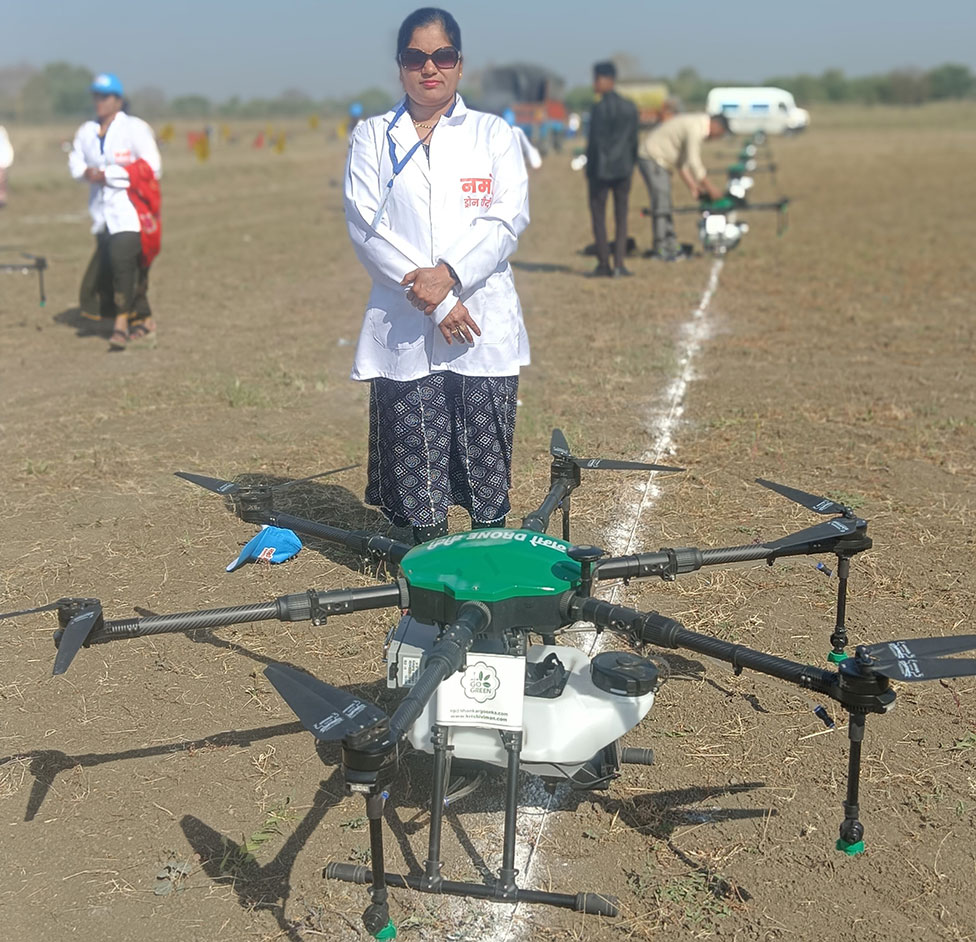
In places across India, Reliance Foundation is demonstrating the effective use of drones in farm operations. Finding new ways to assess crop health for insurance and other purposes is another strong area of focus.

While new technologies are beneficial and even crucial to addressing problems like labour shortage, their adoption is not without challenges given the small land-holding sizes of farms. Farmer collectives are helping overcome the barriers of scale.

Addressing climate-related challenges

Climate-related challenges are set to exacerbate and disproportionally affect rural communities. These challenges demand more resilience from rural households. Democratising information and knowledge are essential to enhancing resilience. The technologies of yesterday and today are being tied together to ensure data’s last-mile reach while efforts are on to extract more meaningful insights from data to tailor messages more effectively.

Tech-aided empowerment

Drawing from years of efforts of all stakeholders, Reliance Foundation has redoubled its commitment to skilling and empowering women through women-focused initiatives that encourage tech-aided micro-enterprise development at scale.

The current decade is fertile to achieve progress quickly. It is hoped that as a new self-reliant India emerges to take on global challenges on multiple fronts, people from the country’s rural communities will be those in the lead.

Sir H. N. Reliance Foundation Hospital

Community Capacity Enhancement

Reliance Foundation believes that development is truly sustainable only when communities are fully in-charge of their development. Towards this goal, Reliance Foundation works with rural communities to enhance their capacities for planning and taking up developmental activities.

Planning capacity is built when village-level development plans are prepared in a participatory manner with village-level institutions and all people in a community, especially women. In a similar manner, dedicated water use planning further cements efforts to sustain water-related gains and improves water governance.

Throughout the year, capacity enhancement initiatives largely aimed at strengthening livelihoods are taken up with collectives and individuals. These tailored efforts complement village development plans and usher holistic development in rural communities.

Sir H. N. Reliance Foundation Hospital

Improved nutrition for rural communities

Although India’s food production is powered by India’s villages, inadequate dietary diversity in rural households is a significant concern. Reliance Foundation takes a community-centric approach to improve dietary diversity. Raising awareness of the importance of a balanced diet is an indispensable part of this approach.

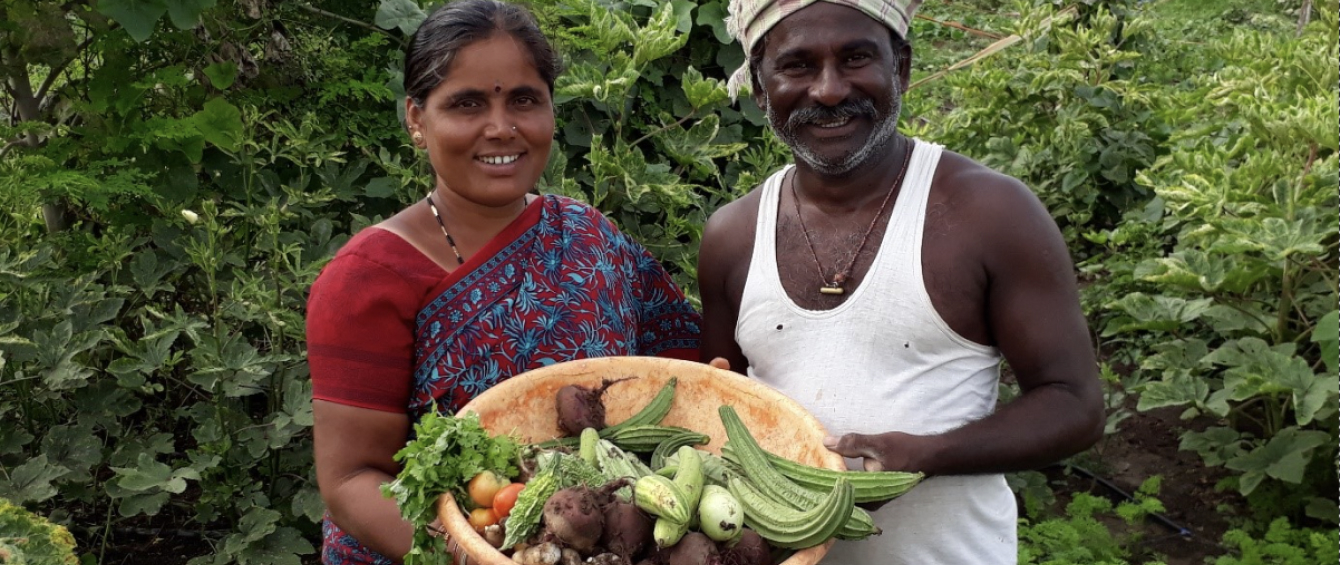
The approach begins with helping communities to increase their farm yields. Households are encouraged to diversify food production to include cereals like millets, fruits, vegetables, milk, legumes and animal sources of protein. Vegetable and fruit production are encouraged through backyard kitchen gardens. Several thousand such gardens have been established by rural communities across India at homes, schools and Anganwadis.

Water is linked closely to nutrition, which is why Reliance Foundation’s efforts to conserve water are also aimed at ensuring drinkable water is provided as well as water for agriculture.

Besides enhancing source inflows through recharge wells and rainwater harvesting, Reliance Foundation focuses on improving access to clean drinking water by supporting the development of storage and distribution infrastructure. This includes co-development of piped water supply systems and community-owned and constructed water storage tanks, through various participatory efforts.

Sir H. N. Reliance Foundation Hospital

Empowering Women in Rural Communities

Integral to India’s rural workforce, women have a key role to play in various on farm and off-farm activities. Reliance Foundation’s Rural Transformation programme is centred around the role of women in enhancing resilience and raising household incomes through diversification through its DRIWE and information services initiatives.

By leveraging the collective power of self-help groups, Reliance Foundation supports women in agriculture and encourages alternative livelihoods through skill and capacity development. Women are supported in establishing businesses, building brands and developing leadership capacity. The aim is to pave their participation in society and local governance and give them a greater say in the development of their communities.

Reliance Foundation has worked with self-help groups in value chains of crops, dairy, arts and handicrafts.

In 2023, the Reliance Foundation and Bill & Melinda Gates Foundation launched an initiative to empower one million women entrepreneurs in several states in India, by strengthening women collectives, testing and scaling innovations and establishing replicable models of entrepreneurship with women-led enterprises. This initiative has been developed with and will be delivered through partnerships with the State Rural Livelihood Missions, as well as with the support of several implementation partners. Over the next three years, this initiative will support and engage women in farm and non-farm income-generating activities, to help them achieve an annual income of at least Rs. 1 lakh as envisioned by the Government Of India’s Ministry of Rural Development.

Sir H. N. Reliance Foundation Hospital

Enhancing Farming Incomes

Reliance Foundation enables rural households to enhance their incomes through farming, fishing, livestock, poultry and other means of livelihoods with approaches including:

  • • Equipping communities with knowledge of improved practises and support schemes

  • • Strengthening collectives

  • • Disseminating new skills, ways to reduce input costs, support in acquiring improved material/inputs/tools

  • • Strengthening market linkages

  • • Information leverage for higher income

These are part of the Integrated Value Chain Development (IVCD) initiative.

Lowering costs, increasing yields

To help increase farm incomes, Reliance Foundation works with farmers on the input side to lower costs and increase yields. Cost reduction efforts involve adopting efficient resource management practises and sustainable farming techniques that reduce dependence on supplemental inputs.

Farmers are also supported in choosing crops that are best suited to their agro-ecology. Through partnerships with agriculture research institutes, improved seed varieties are provided to farmers. By obtaining necessary information from the Reliance Foundation during the entire duration of the crop cycle, farmers are able to confidently take timely decisions related to field operations.

On the output side, farmers are supported in post-harvest primary or secondary processing, where there is scope, through farmer collectives. These collectives, either mentored or supported by Reliance Foundation, procure produce from the farm-gate, help farmers utilize technologies and overcome labour shortage, provide grading or sorting services, process the produce and ensure fair compensation to their member farmers.

Through these collectives, farmers also get an opportunity to explore new markets for their produce. They are made aware of government social security schemes and supported in availing of them.

Adequate water and healthy soils are key ingredients to good yields. Farmers are supported in getting their soils tested and encouraged to enhance soil health through cost-effective and environmentally sustainable initiatives. Water availability for agriculture is improved by community and individual efforts to harvest rainwater and improve groundwater recharge. Tailored water harvesting plans for each village help increase water harvesting capacity and ensure availability of soil moisture during rabi and summer seasons.

So far, more than 1,413 lakh cubic metres of water harvesting capacity has been created across India. This has helped farmers in cropping more than once during the year and increase their earnings.

Raising poultry, livestock and fishing incomes

Reliance Foundation supports households in rearing high-yielding breeds of livestock and poultry. Best practises in livestock rearing and feed management are shared and capacity to adopt these practises is built. After initial handholding, households are supported in scaling up their activities.

Information about weather and disease alerts, and expert prescriptions for vaccination and treatment provided at free livestock camps help households mitigate livestock related losses.

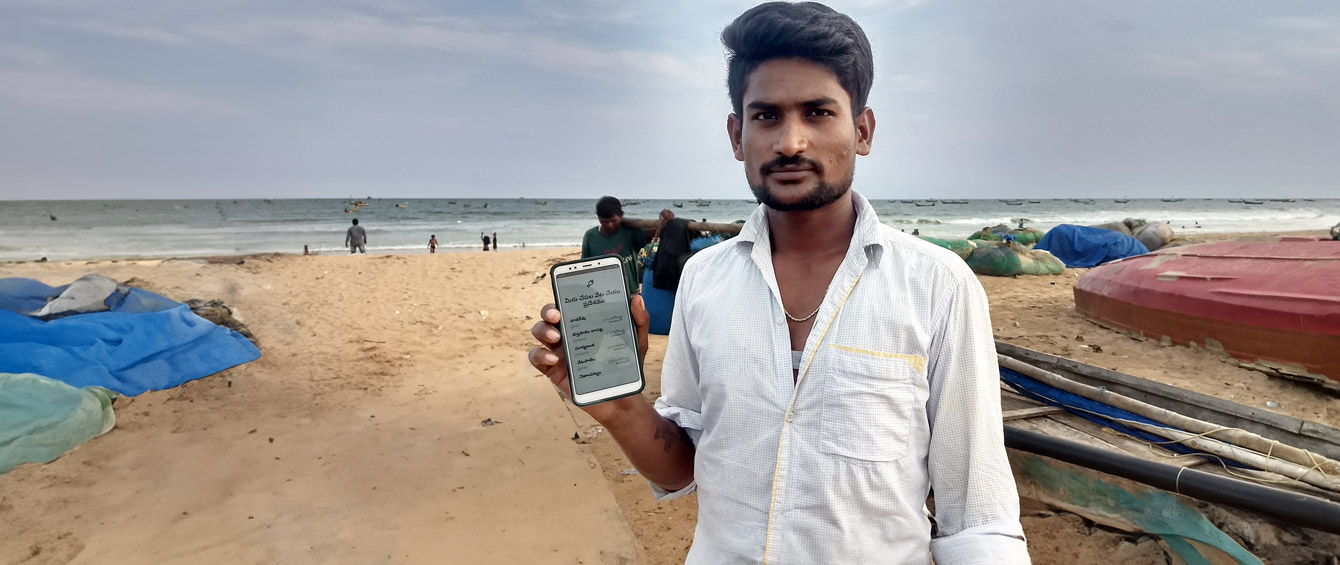
For marine fisherpersons, information about potential fishing zones helps increase the chances of a good catch in the ocean. PFZ information also leads fisherpersons safely and quickly to areas where fish is available. By reducing the fuel expended, this information contributes to lowering the environmental footprint of fisherfolk.

Promoting non-farm livelihoods

Given the inherent risks in farming and allied activities, Reliance Foundation encourages households to take up non-farm activities alongside farming. Landless and tenant farming households as well as farm labourers are also supported in diversifying their incomes.

These activities are entrepreneurial in nature. Tailoring, groceries, confectionary, printing and data entry, other vending and service enterprises are some of avenues for alternate livelihoods. By leveraging government grant and loan schemes through self-help groups, rural households can start, sustain and scale up alternate livelihood activities.

Subscribe to