Scholarships by Reliance: Impact study observes multiplier effect
 Team Reliance Foundation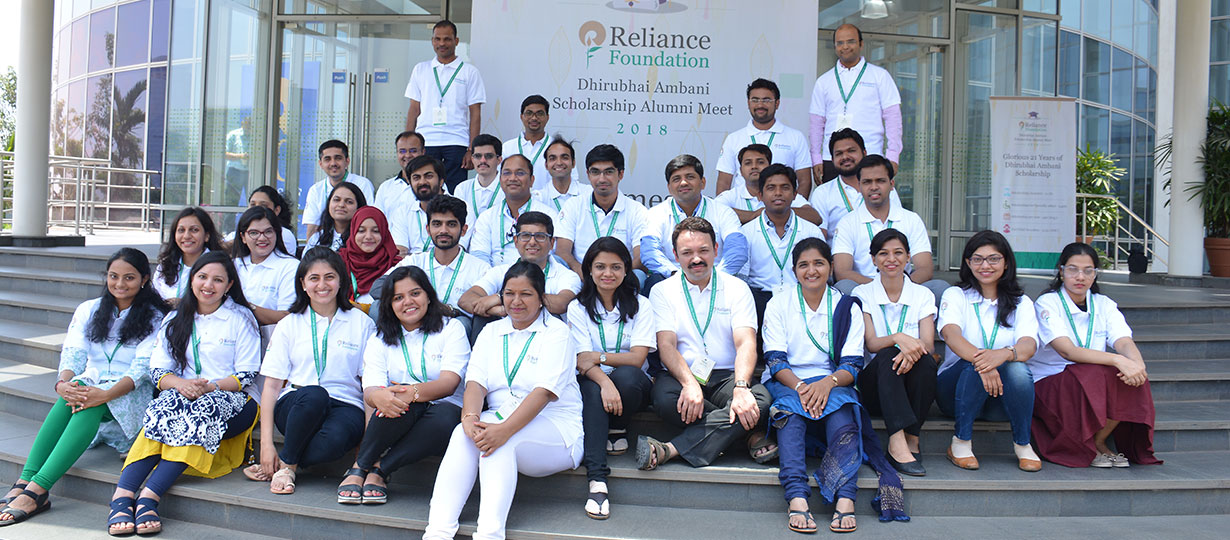
An evaluation of scholarships provided by Reliance through the years, found that beyond immediate individual scholar impact, there has been multiplier effect at a household, organisation and societal level.
Reliance has been providing scholarships to meritorious students through Dhirubhai Ambani Scholarship (DAS) since 1996 and through the Reliance Foundation Scholarships from 2020-21. A study was conducted by 4th Wheel Social Impact between March and June 2022, with focus on understanding the impact of the DAS programme on scholars supported between 2015 and 2020.
Guided by Reliance Founder-Chairman, late Shri Dhirubhai Ambani’s belief that the best way to ensure the nation’s progress is to invest in its youth, the Dhirubhai Ambani Scholarship programme supported meritorious students of standard XII to pursue college education in the stream of their choice.
Top ranking students of Central Board of Secondary Education (CBSE) and State Boards across 28 states and 5 Union Territories are identified based on need and provided financial support over the course of three years. Funds cover tuition fees and costs related to transport, accommodation, books, stationery, and various other allowances needed for the duration of graduation. Since inception, there have been 12,737 DAS recipients with equal gender ratio, including 2,755 specially abled scholars representing over 20 percent of the total scholars supported by this programme.
A total of 946 respondents (527 scholars and 413 parents), along with DAS team members and representatives from State and CBSE Boards participated in the study that included a mixed methods approach. Quantitative information and qualitative inputs were gathered through surveys and semi-structured interviews.
The study found the following:
Impact on Scholars
The scholarship is highly relevant for scholars who are from economically vulnerable backgrounds and for females, who report much higher probabilities of dropping out of education without scholarship support. The programme reduces the financial burdens faced by scholars and their families and enables them to pursue higher education in streams and colleges of their choice and move to bigger towns and cities without heavy debts incurred.
Being recipients of the DAS scholarship has very positive impacts on their own self-esteem, confidence and aspirations, and strengthens their academic and professional profiles. The scholarship has enabled scholars to pursue higher education and get good jobs. Through access to higher education and studying in good institutions they are exposed to varied education and career opportunities, have higher academic performance and get access to a strong support system and network of teachers, staff, mentors, and peers. A large proportion of scholars pursue medical and science related degrees signifying DAS’s support to creating skilled professionals across crucial sectors of the country.
- 72% respondents said they have improved academic performance
- 75% respondents said they have experienced increased aspirations
- 97% respondents said they were motivated to work harder in academics
Impact on Female Scholars
- 78% female respondents reported that the scholarship raising their education and career aspirations
- 22% female respondents felt without the scholarship they would not be able to study in thecollege/university
Impacts on Households
Many scholars represent a success story among their families and communities signifying how education leads to upward economic mobility and job stability. The programme supports scholars to pursue higher education, get good jobs and contribute to their household incomes. Scholar salaries are a stable source of income and form a significant proportion of overall household incomes. It creates upward economic mobility of scholars hailing from financially vulnerable backgrounds, where parents work in agriculture or the unorganised sector. Scholar salaries support an improvement in ownership of assets, sibling education, and better quality of life.
- 87% contribute to household income
- 25% support sibling education
- 61% bought assets
Organisational Impacts
Even though scholars are at a very nascent stage of their careers: in managerial or executive roles, results are very heartening with several scholars having contributed to innovations, product and service development within their organisations. Since the scholarship supports meritorious students, it is certain scholars go onto make great strides in their professional lives, and contribute to organisational successes in terms of innovations, awards and accolades.
- 36% improved organisational processes and functions
- 17% contributed to new service development
- 11% developed new innovative product
Community Impacts
Scholars gain increased confidence, admissions in good education institutes and get access to enhanced opportunities which enables them to partake in extra-curricular activities and be involved with social change endeavours. They are part of community groups like college clubs, welfare and charity groups, National Cadet Corps and professional support groups. Many hold leadership positions within these groups and at their colleges and workplaces. Scholars have contributed to social change by volunteering at NGOs and working closely with community issues like women empowerment, education, de-addiction drives, waste management and cleanliness, health and hygiene awareness, etc. Scholars showcase high levels of gratitude towards the DAS support and exhibit strong interests to contribute back to society by guiding or mentoring students like themselves and participating in alumni networks. While they are provided with these platforms at a university level, their engagement and involvement with societal change endeavours reduce when they enter the job market. For this sustained involvement it is crucial to provide them with alumni networks and platforms to pay it forward to the next batches of scholars after them.
- 20% of the respondents contributed to social change
- 10% of the respondents said that they are part of community groups
- 8% of the respondents contributed to programmes and policy changes
In 2020, Reliance Foundation launched the ‘Reliance Foundation Scholarships in Artificial Intelligence and Computer Sciences’ to achieve a deeper impact in the field of frontier sciences and engineering that are playing a key role in shaping India’s future.
In 2022, Reliance Foundation enhanced its commitment to India’s youth to support 50,000 students with scholarships over the next 10 years, aiming to nurture talented youth from across the country who have the potential to drive the nation’s future success for social good.
For 2022-2023, Reliance Foundation is awarding Undergraduate Scholarships to support up to 5,000 meritorious undergraduate students based on a merit-cum-means criteria for their undergraduate college education, empowering them to continue their studies without financial burden, and 100 of India's brightest postgraduate students studying eligible subjects in new technologies through the Reliance Foundation Postgraduate Scholarships. As scholarships have a great potential to nurture and empower meritorious students, Reliance Foundation believes that this approach will create robust, vibrant and engaged young professionals, who drive India’s growth.
Click here to know more about the Reliance Foundation Scholarships.
More Stories
Facilitating better education opportunities for children
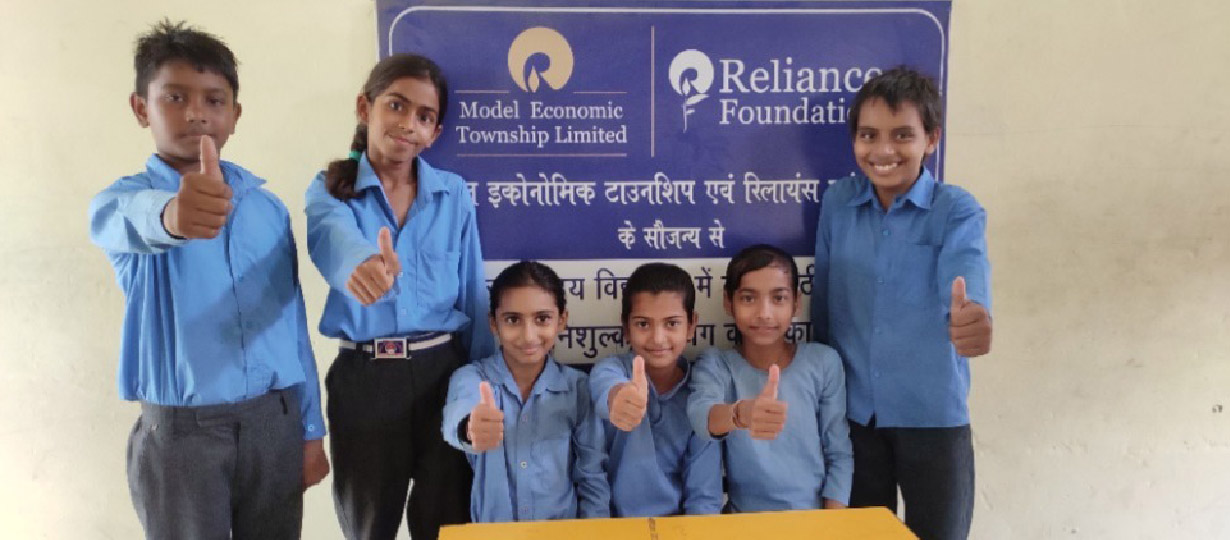
Through Reliance Foundation’s efforts at the Model Economic Township in Haryana’s Jhajjhar, 453 children have been provided with dedicated free coaching since 2018-19 to prepare for admission to prestigious government residential schools such as the Jawahar Navodaya Vidyalaya.
Jawahar Navodaya Vidyalayas (JNV) select children on the basis of merit through an annual All India entrance conducted by the government. Admission to JNVs is open to children from disadvantaged communities.
Reliance Foundation forms an important bridge to these schools for many children from marginal communities. This year, through its “Mission Navodaya” free coaching programme, Reliance Foundation supported 32 students in clearing the Jawahar Navodaya Vidyalaya entrance exam.
All the students are from eight Model Economic Township villages - Yakqubpur, Dadritoe, Saundhi, Pelpa, Kukdola, Ladpur, Lohat, and Badli. Coaching was provided to selected students every day for 10 months.
In the last four years, Reliance Foundation’s coaching programme has helped 68 students crack the Jawahar Navodaya Vidyalaya entrance exam.
Through a multitude of initiatives, Reliance Foundation works to enhance youth’s access to education with an aim to empower them to lift themselves, their communities and be able to contribute to nation building.
Click here to read more about our work on Education.
More Stories
India’s development, SDGs and the rise of the global South
- 22 September, 2023
- New York
- 01:00 PM
- 5 min read
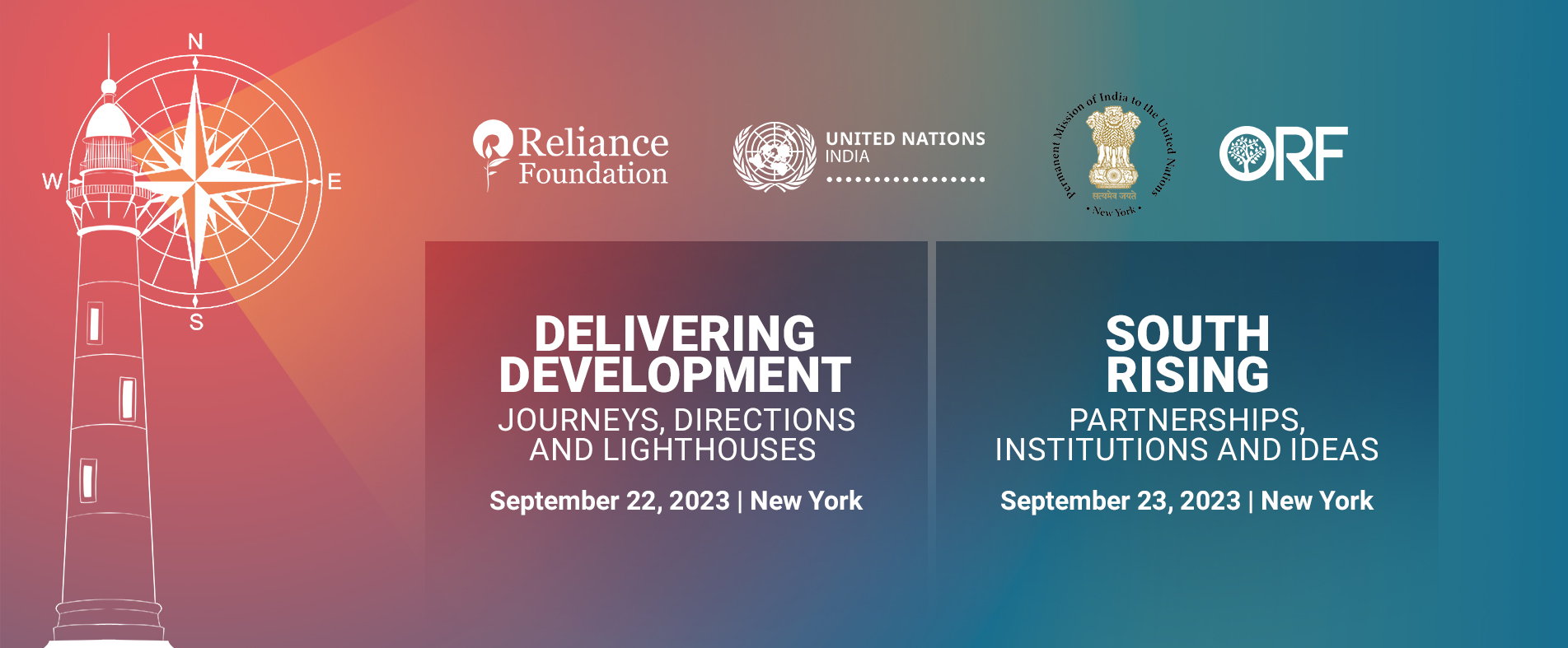
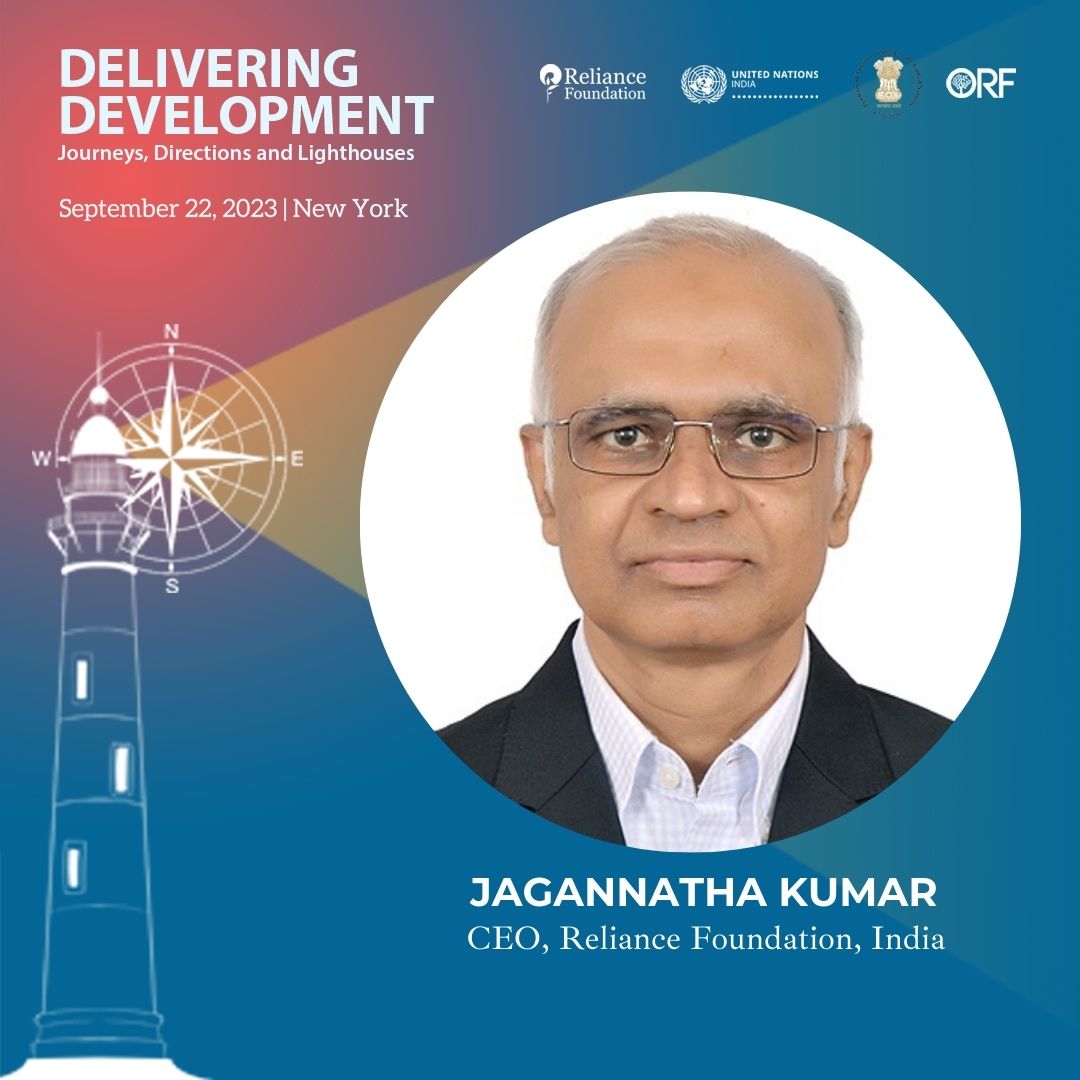
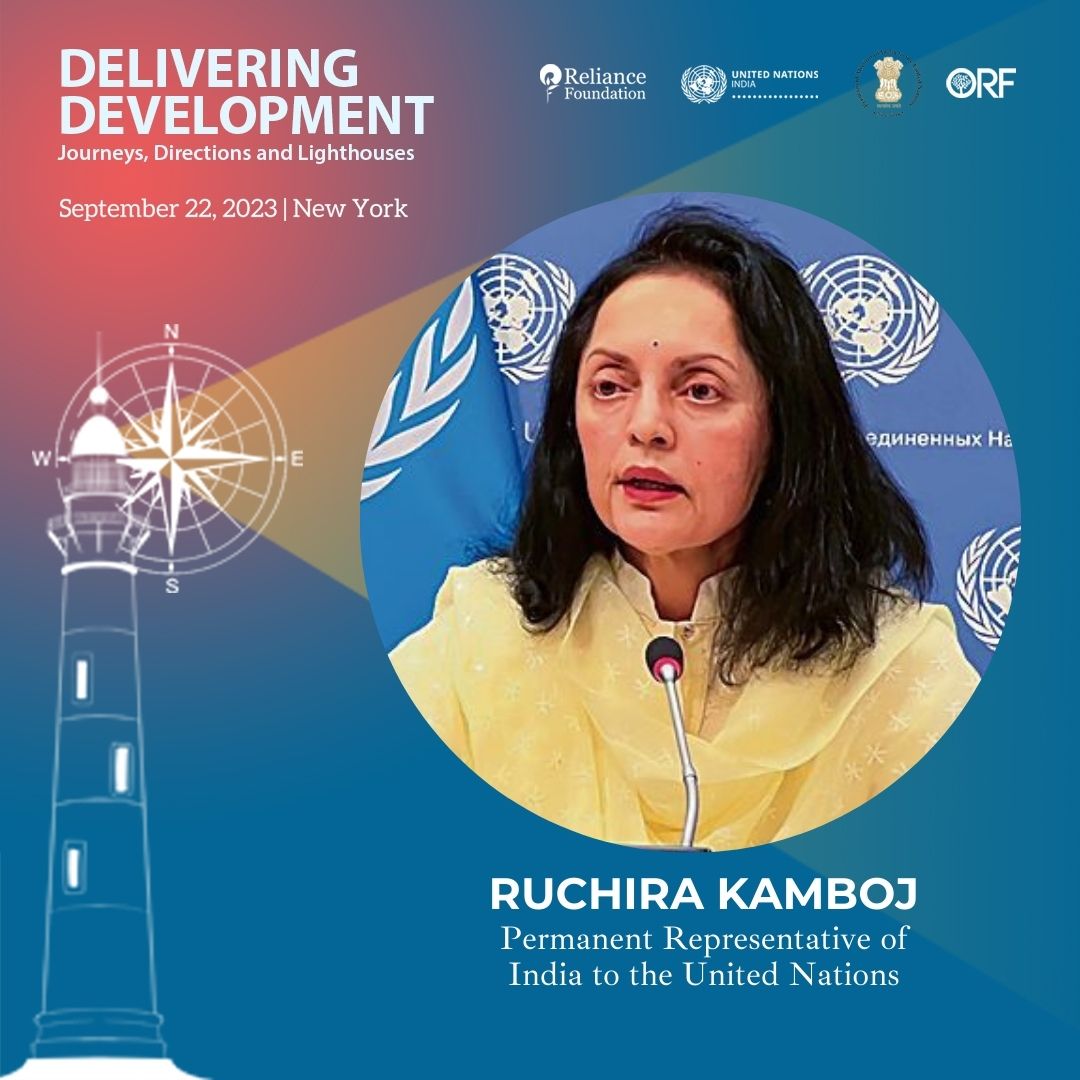
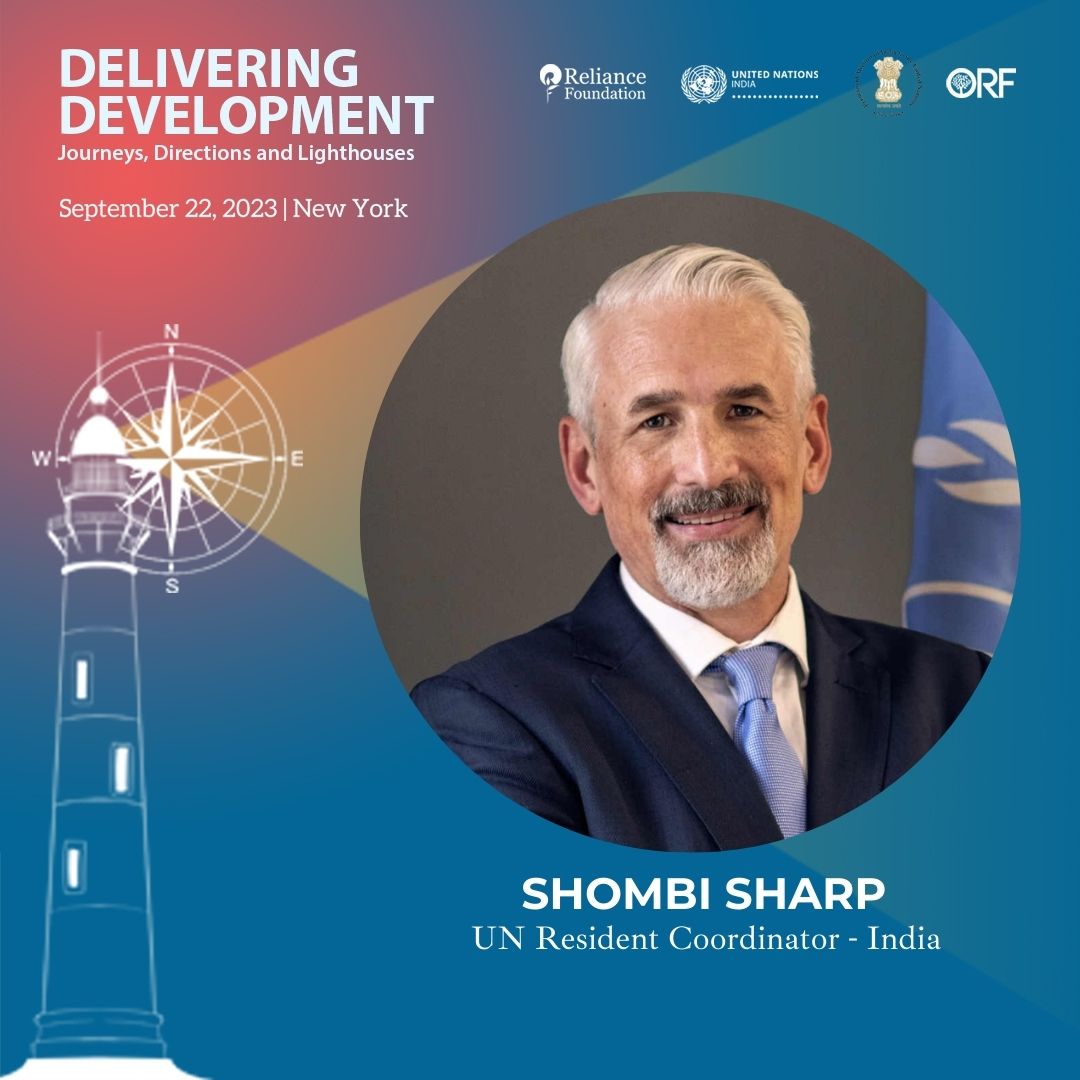
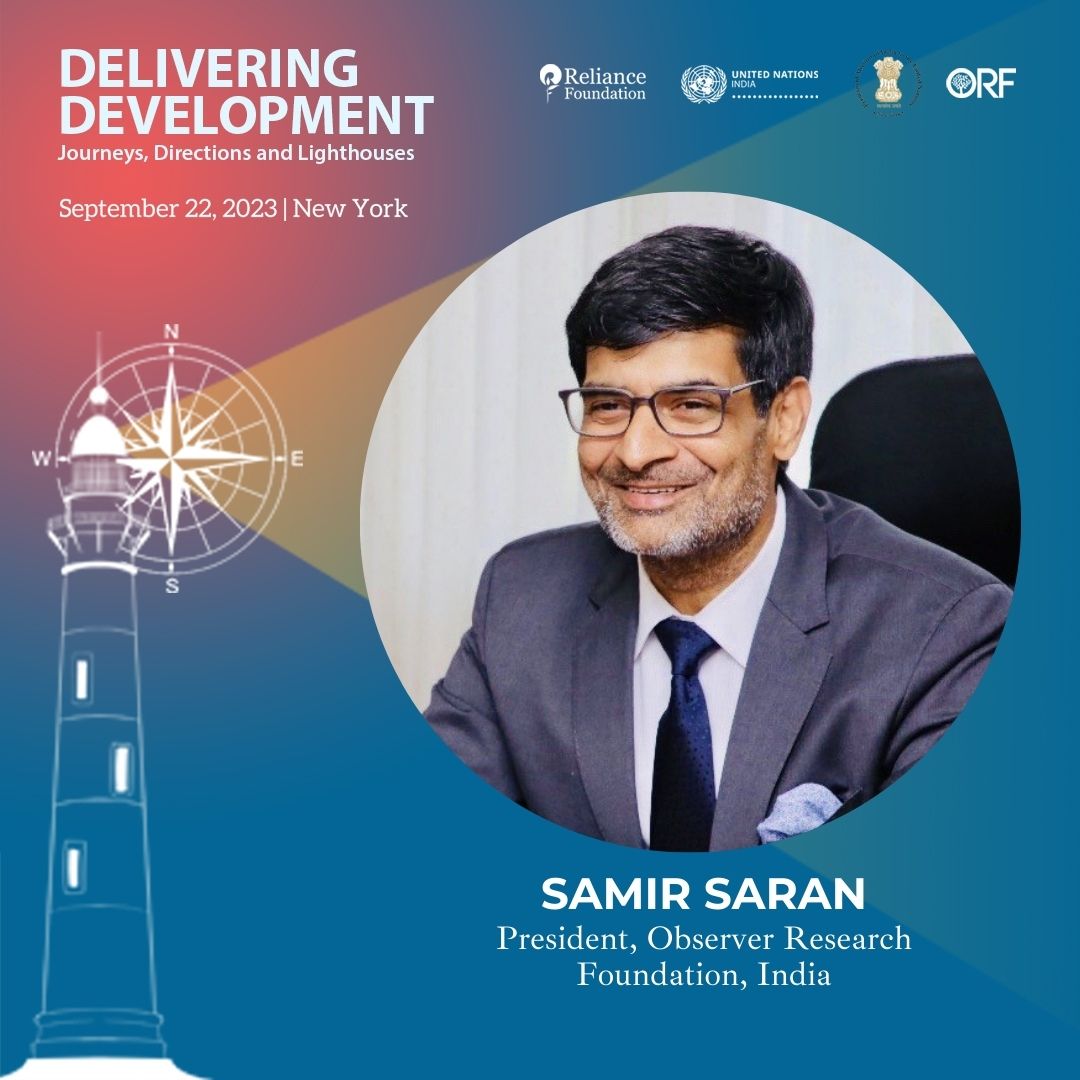
As the 78th session of the United Nations General Assembly week is underway, Reliance Foundation, Observer Research Foundation (ORF) and United Nations India are hosting two dialogues with the overarching theme of India’s journey towards the Sustainable Development Goals.
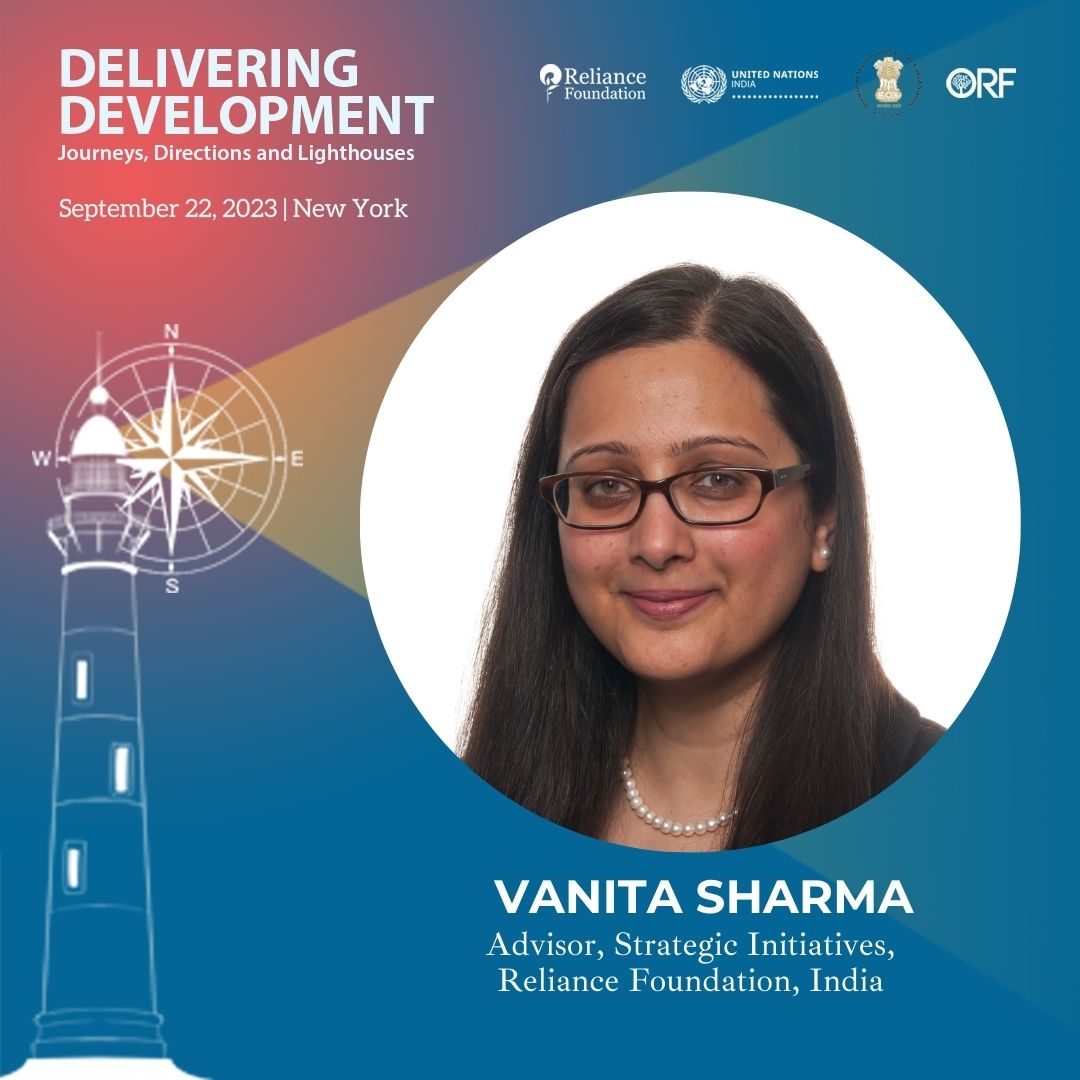
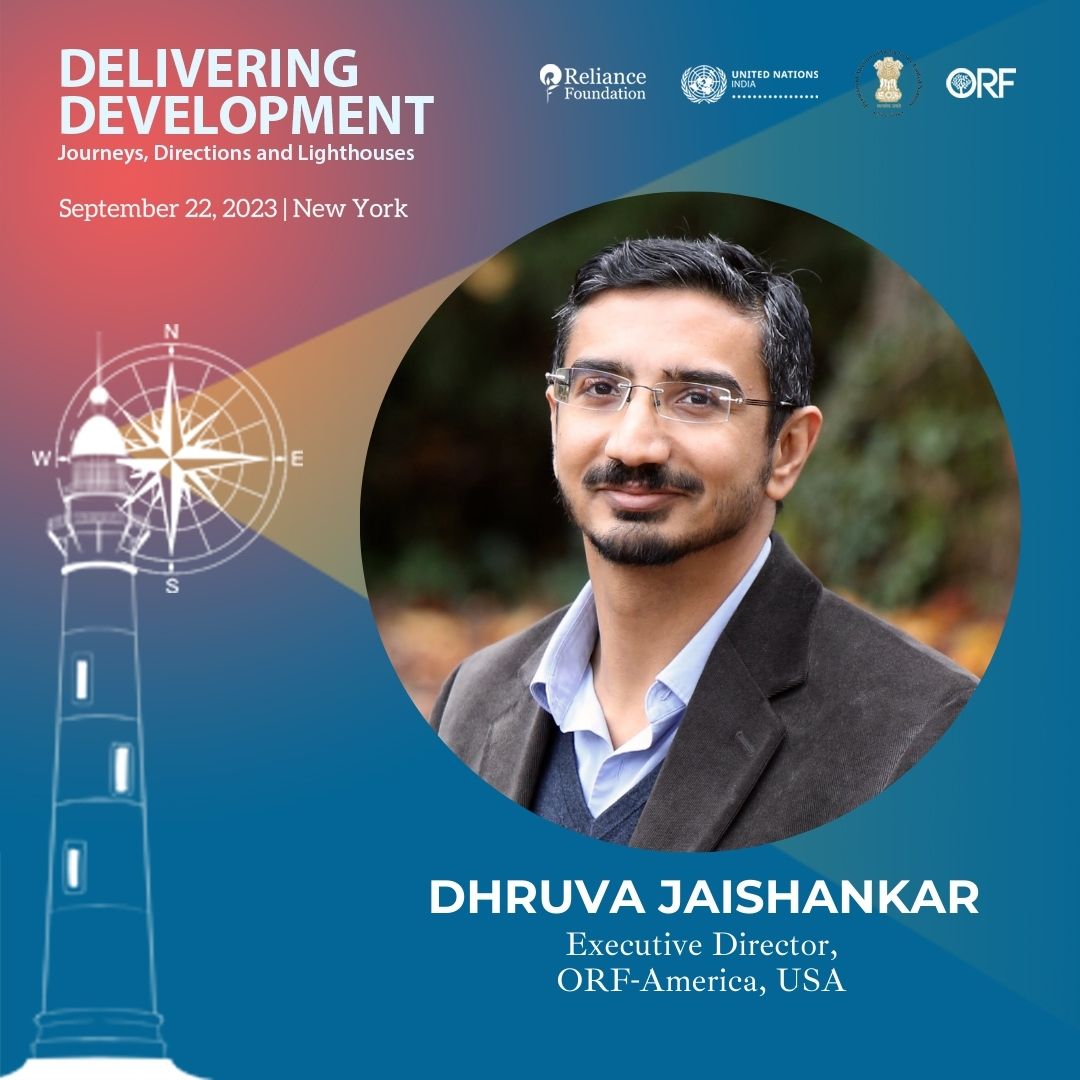
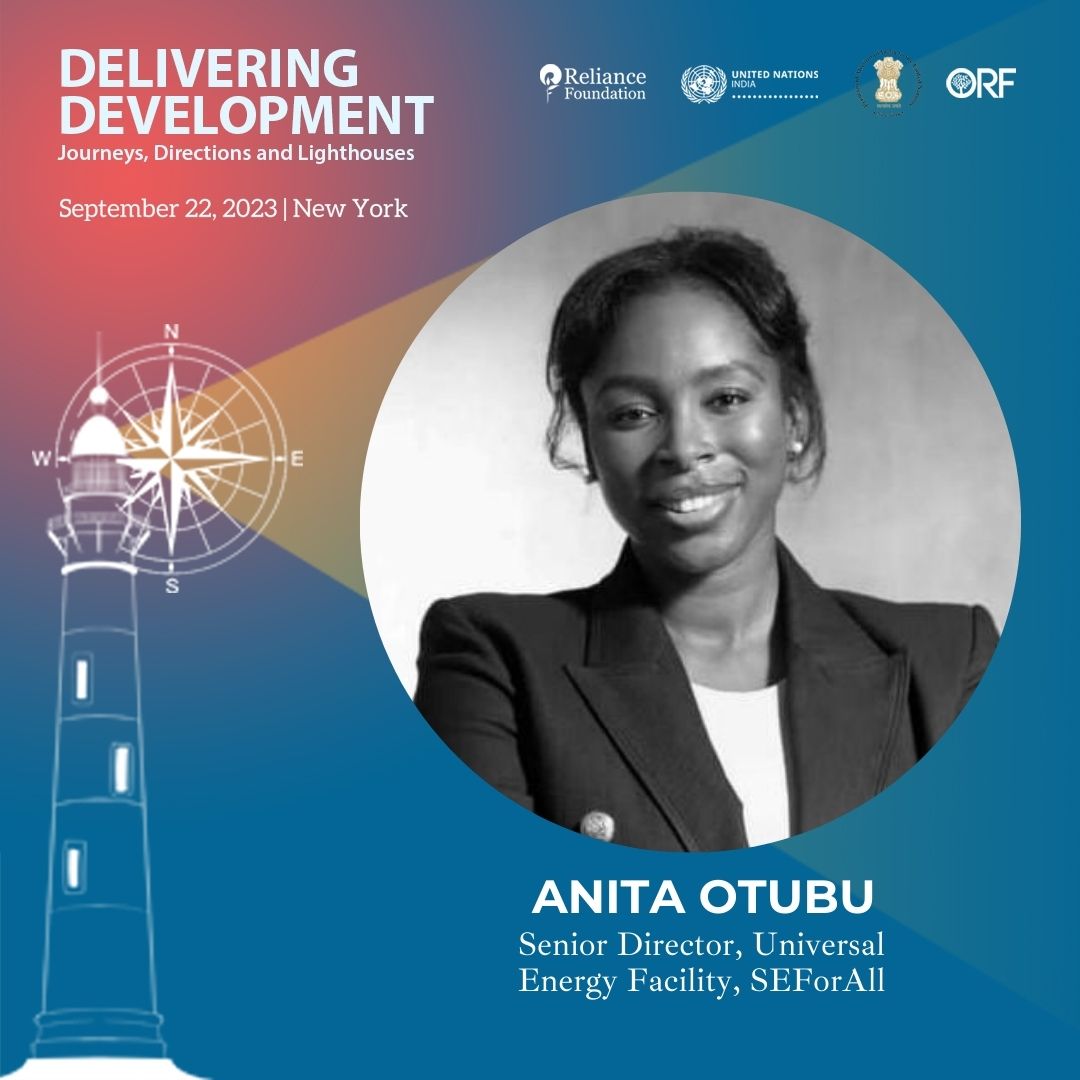
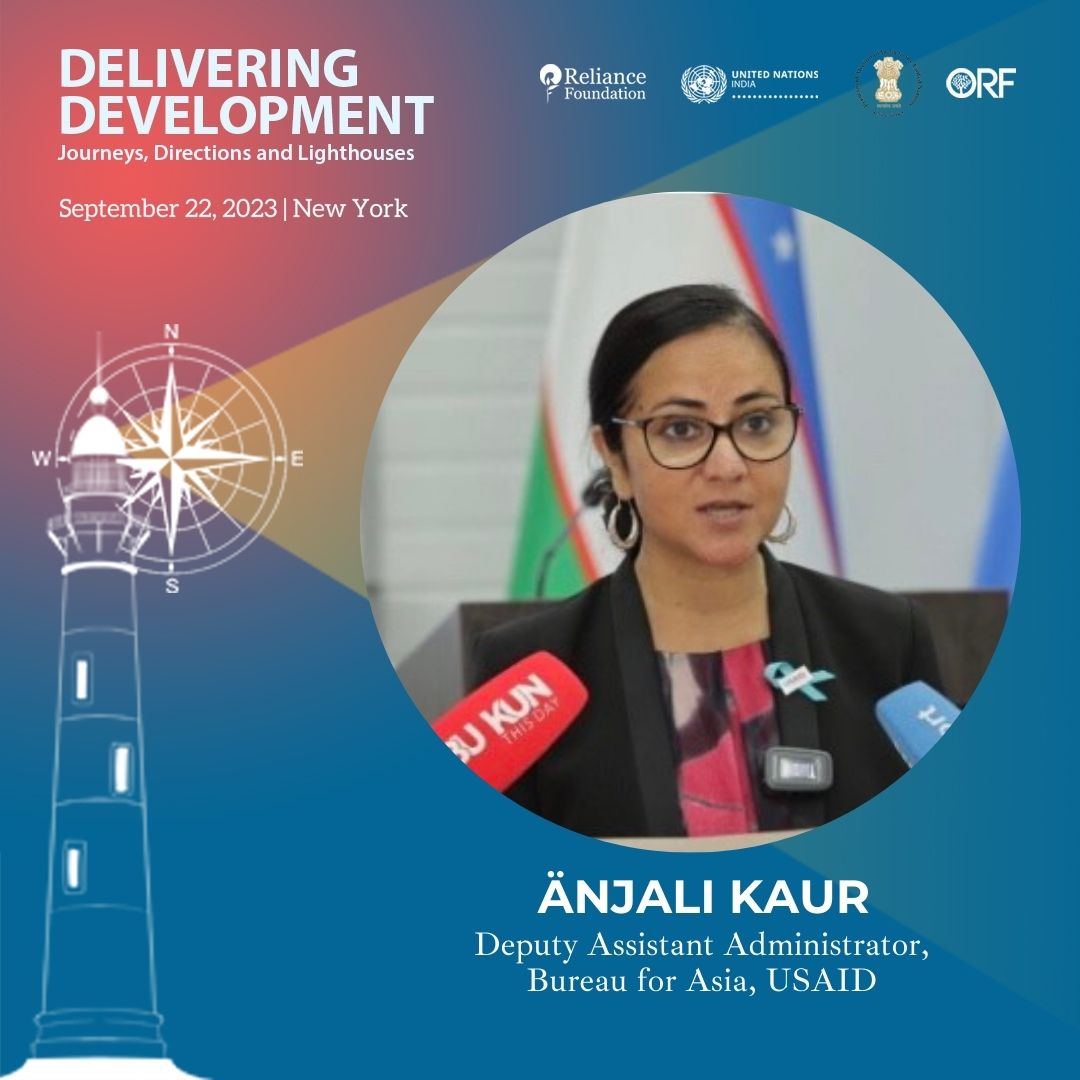
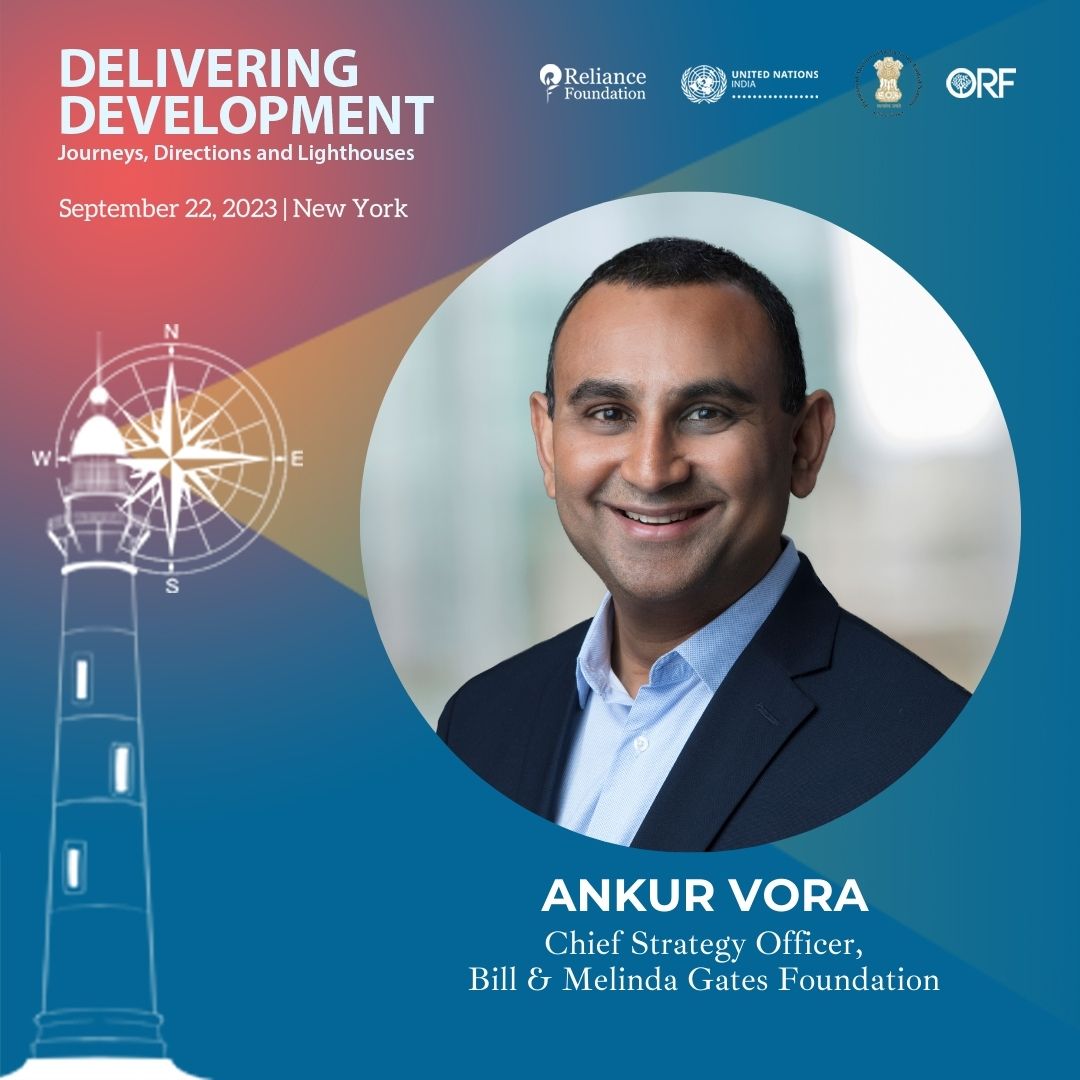
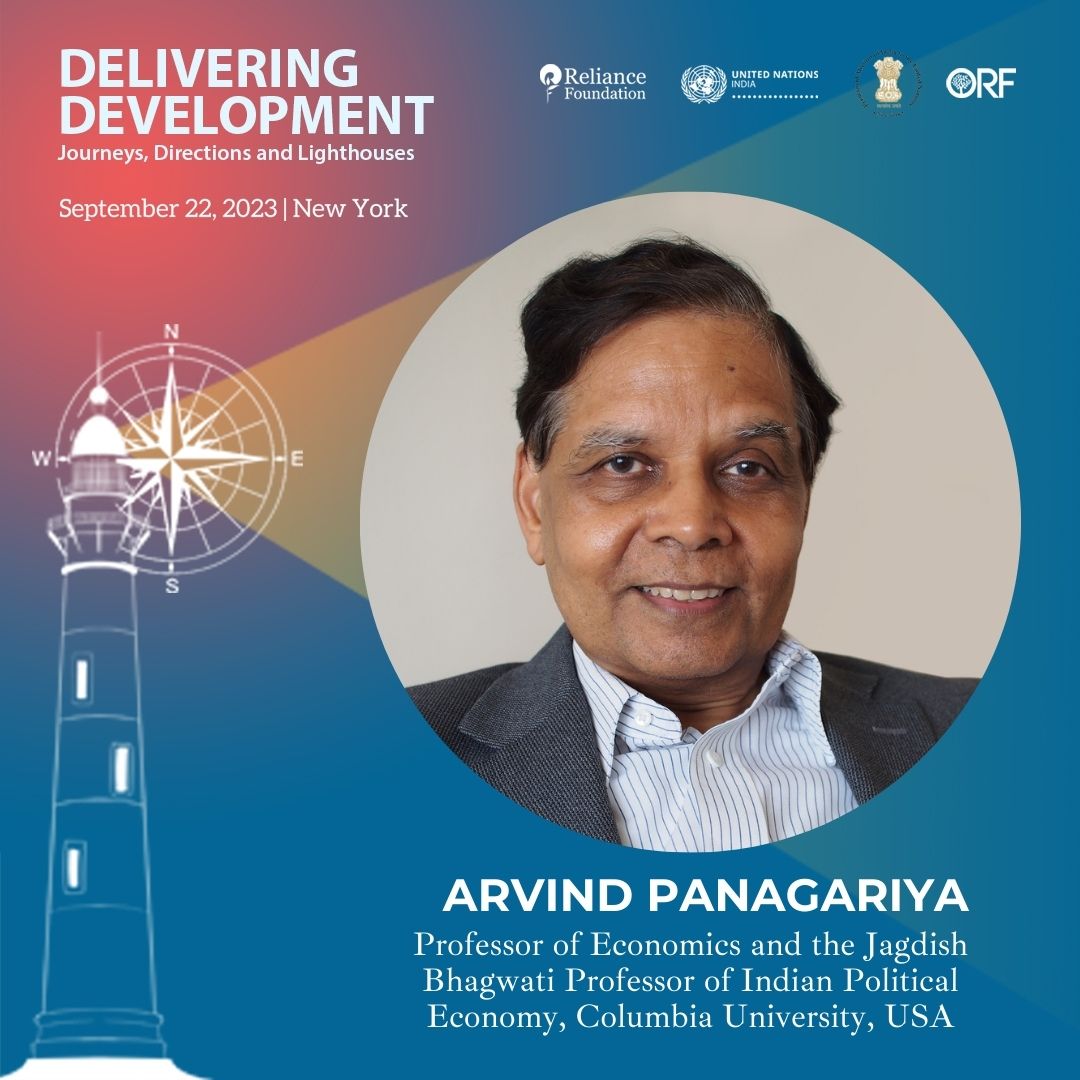
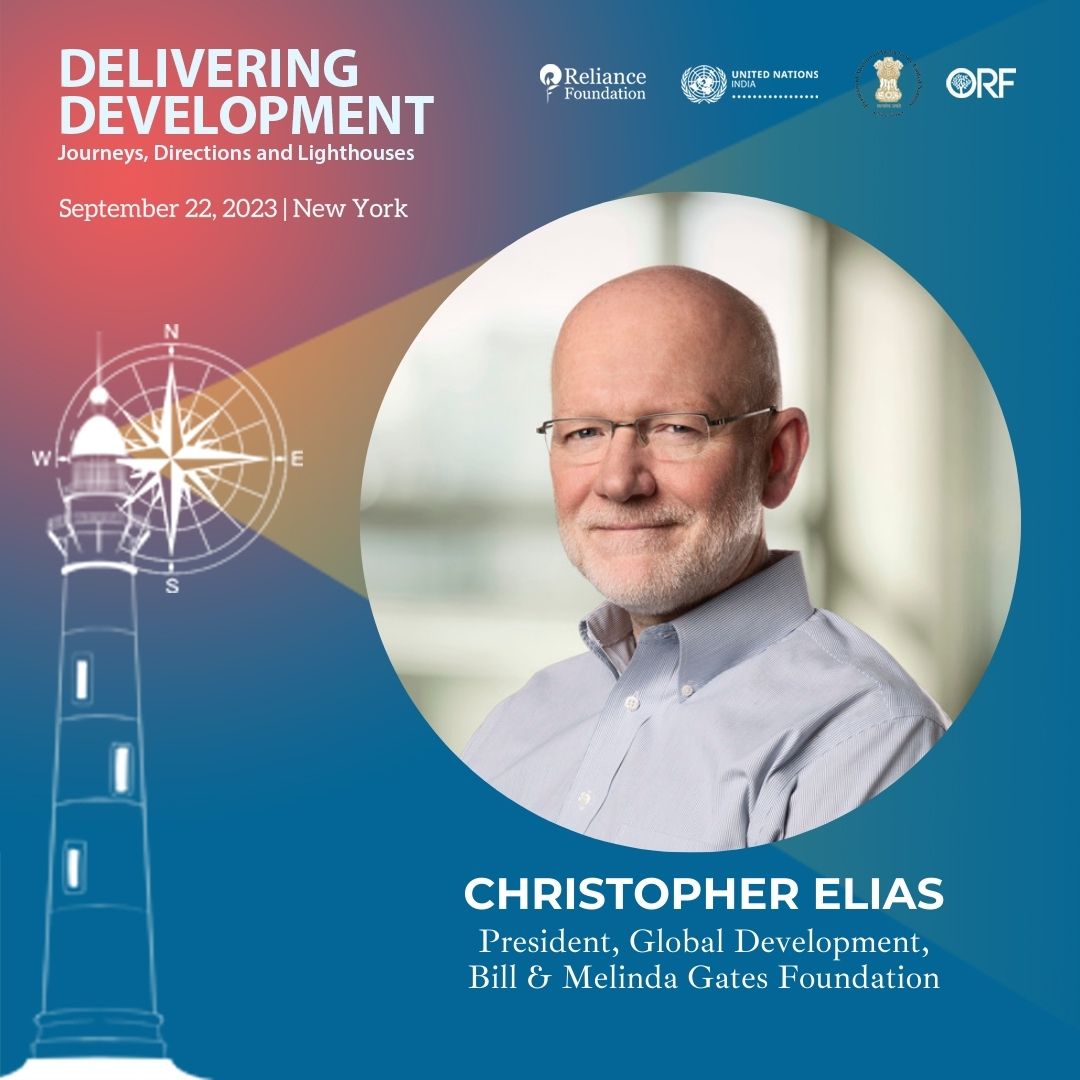
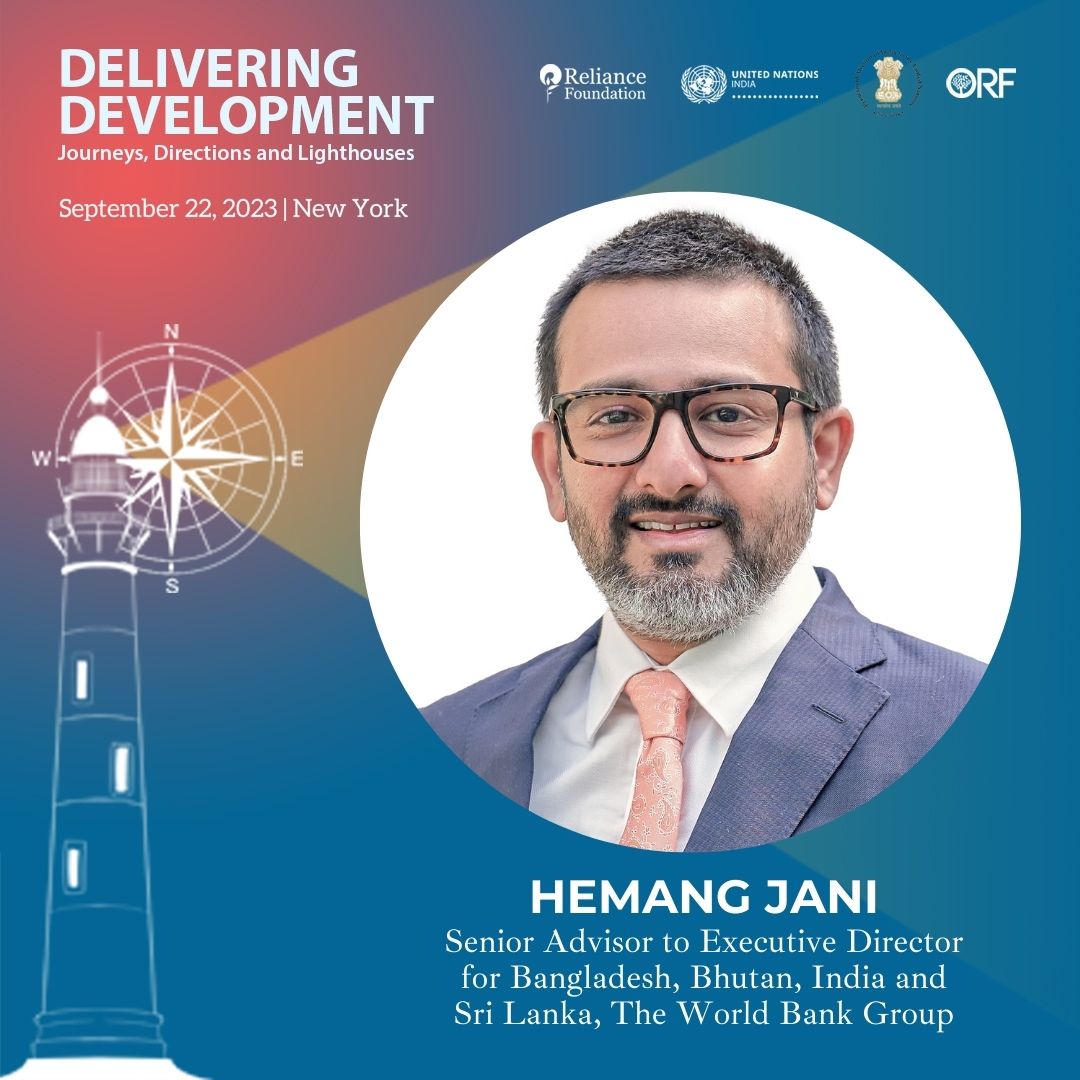
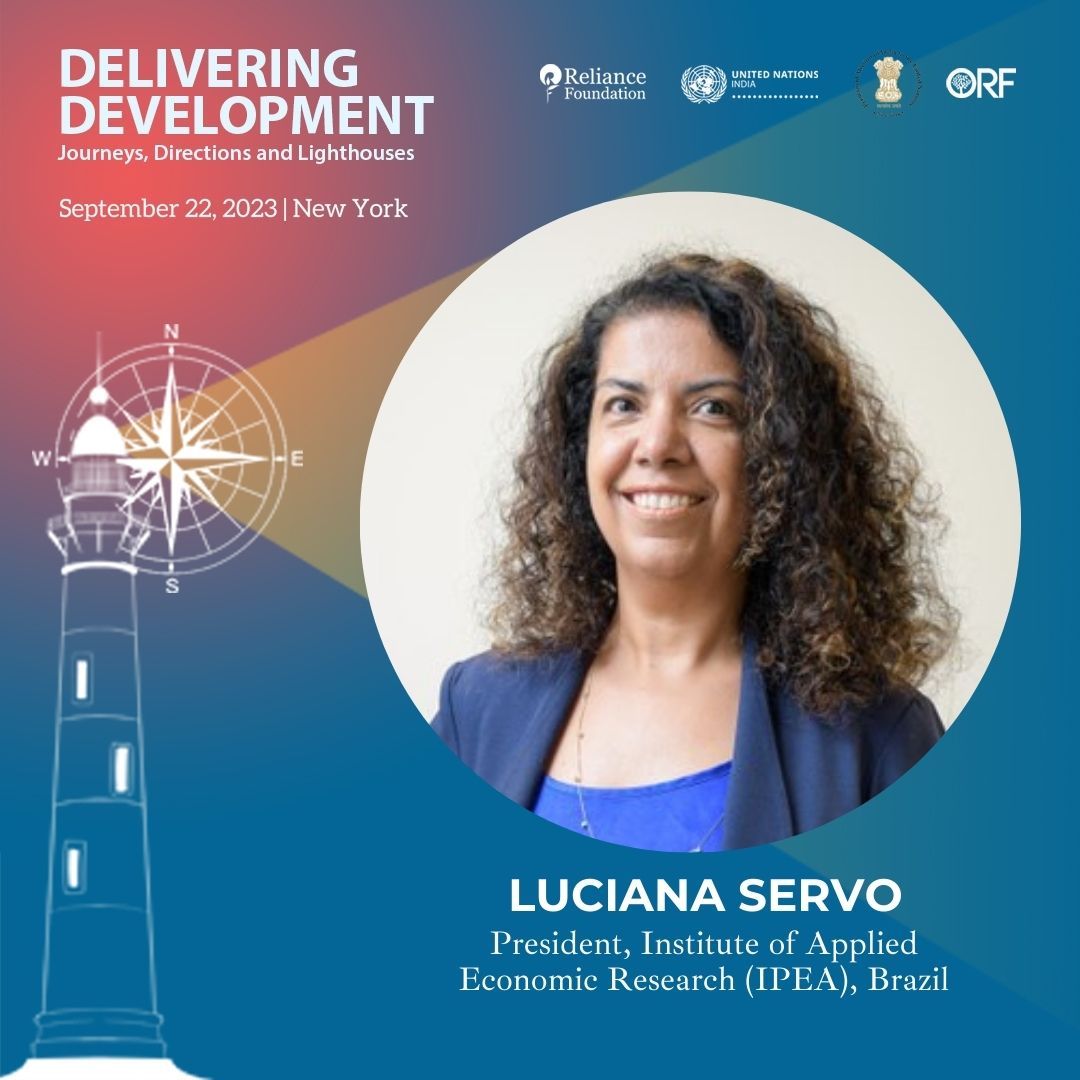
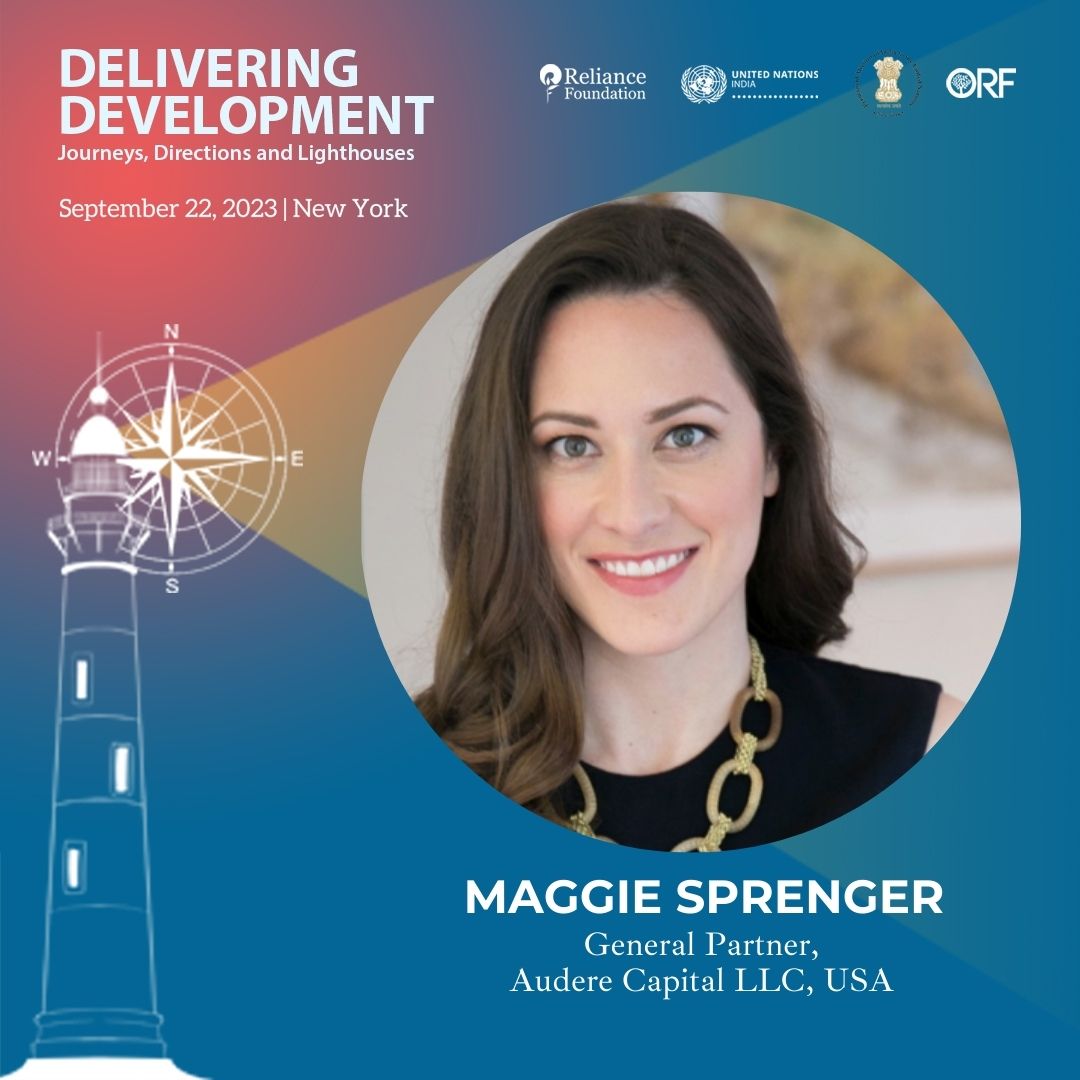
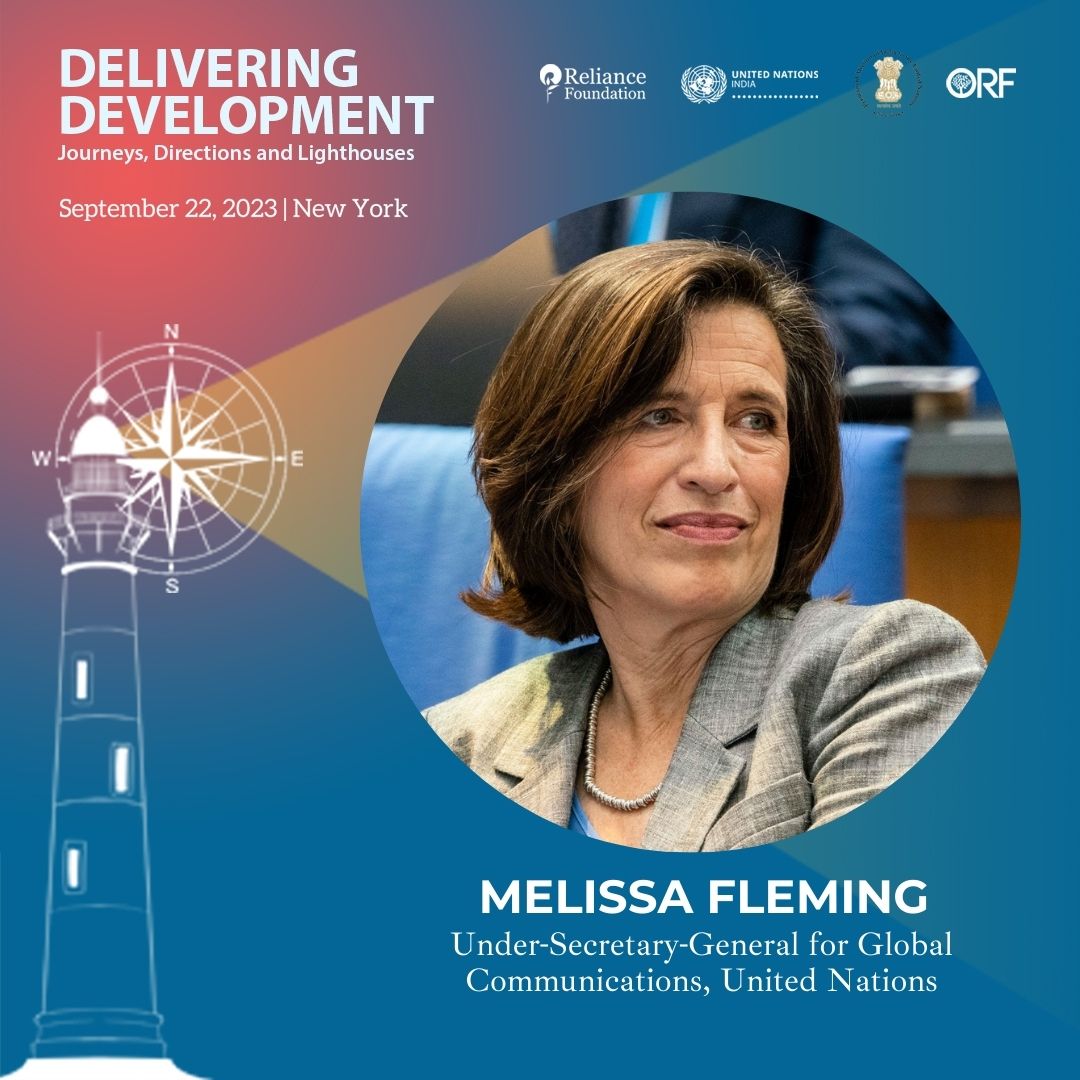
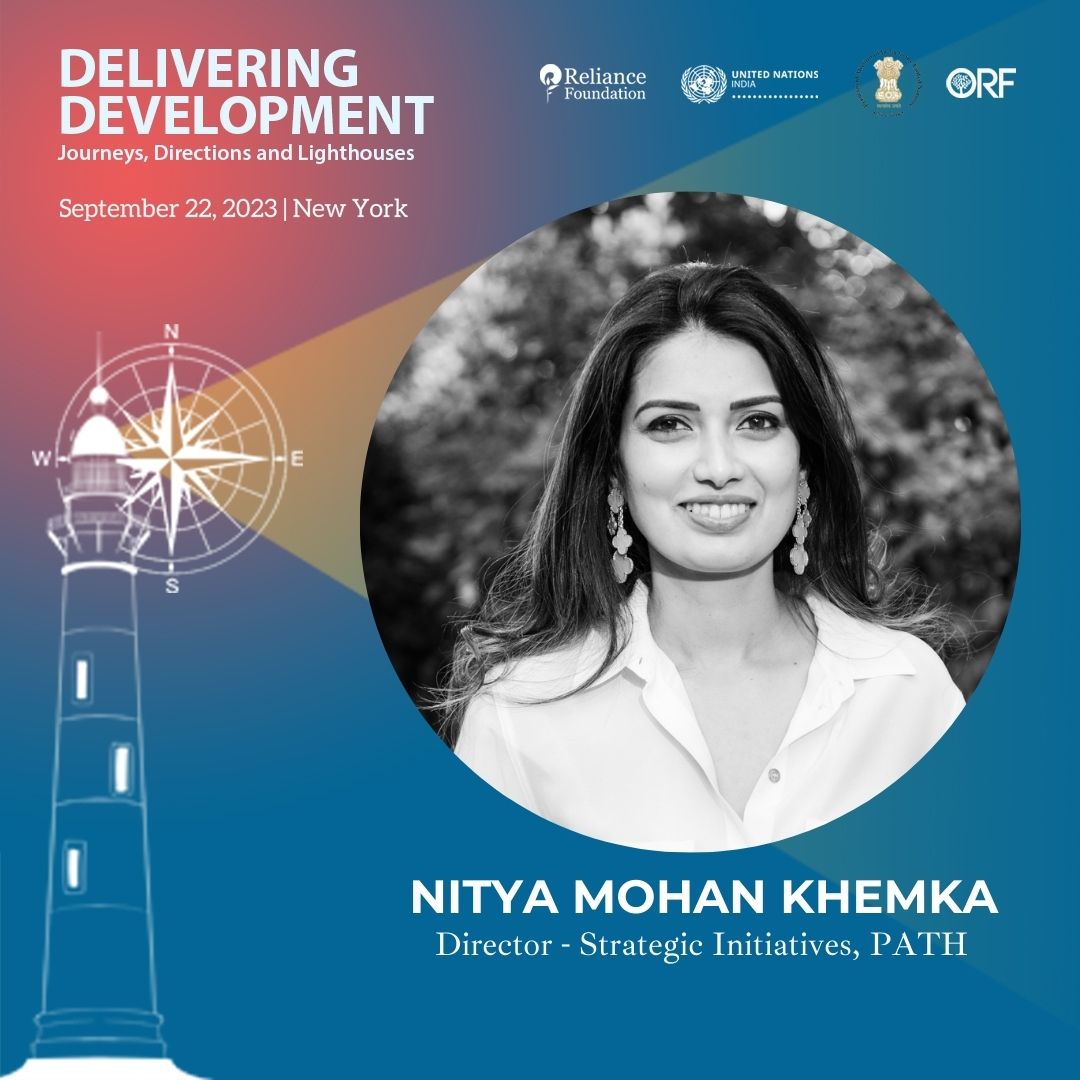
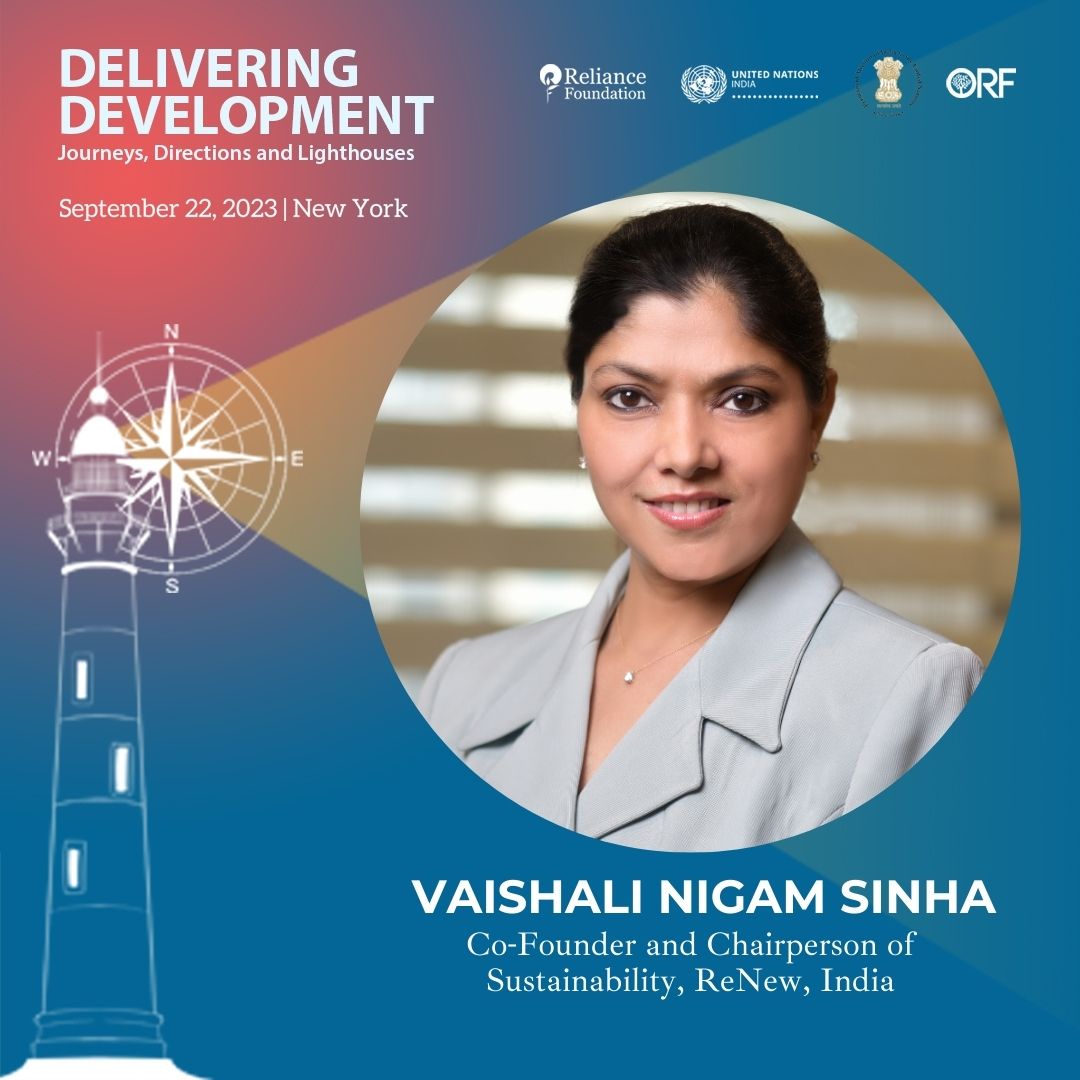
Delivering Development: Journeys, Directions and Lighthouses on 22nd September 2023, will focus on India’s ambitious agenda that aims to address the priorities and challenges including improved health and educational outcomes; food and energy security; economic empowerment and growth; and climate resilience. The approach to India’s development journey towards achieving the UN Sustainable Development Goals will also be discussed in this dialogue.
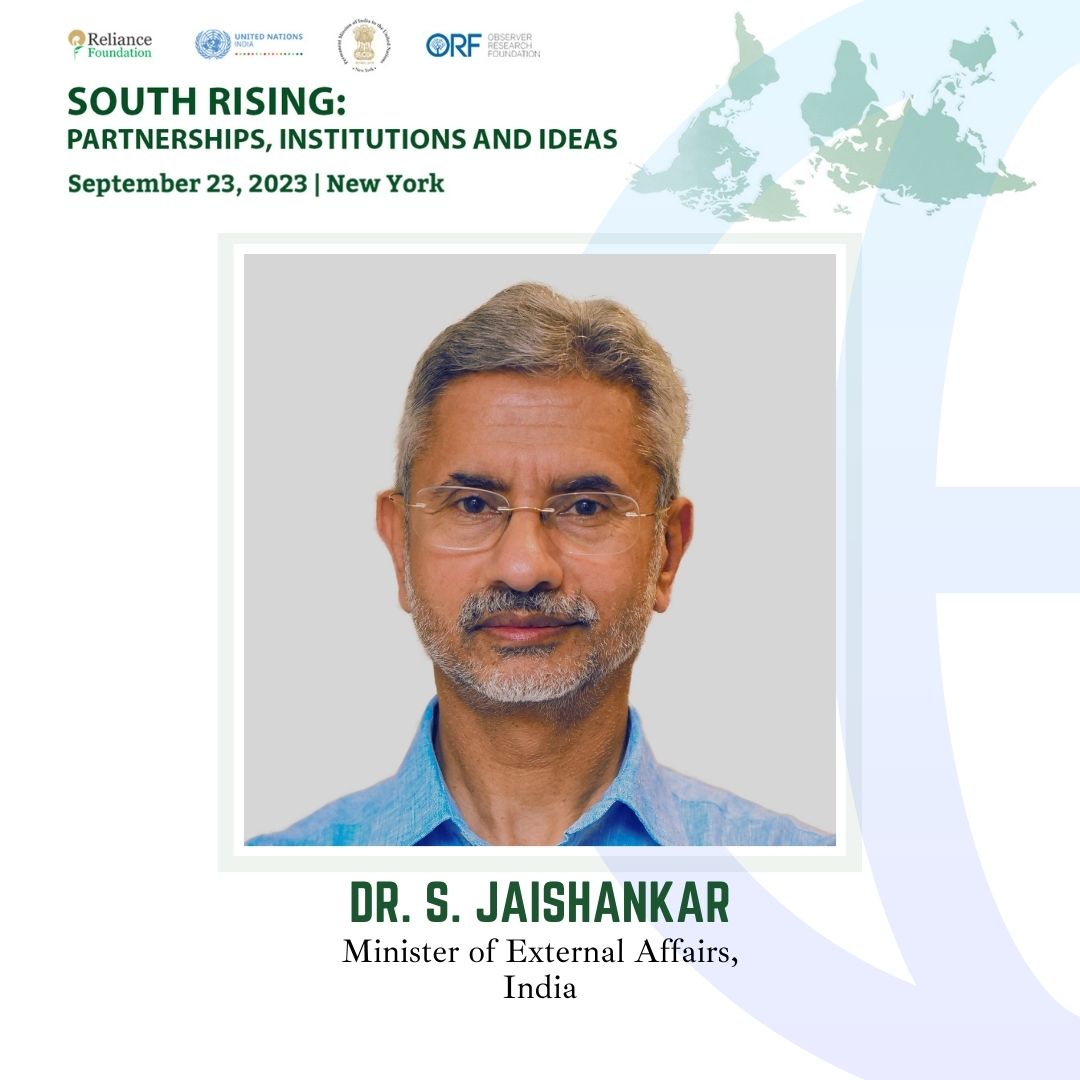
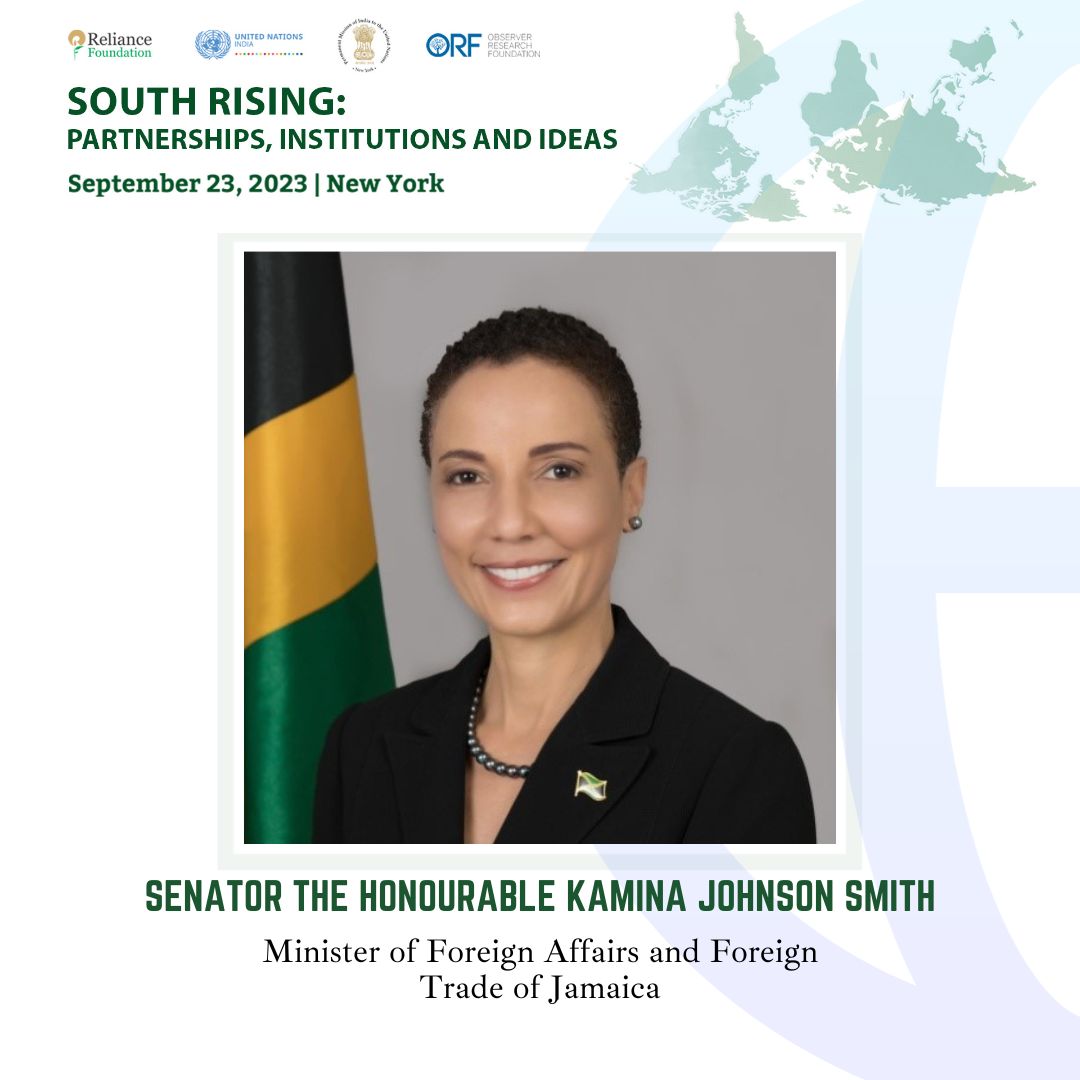
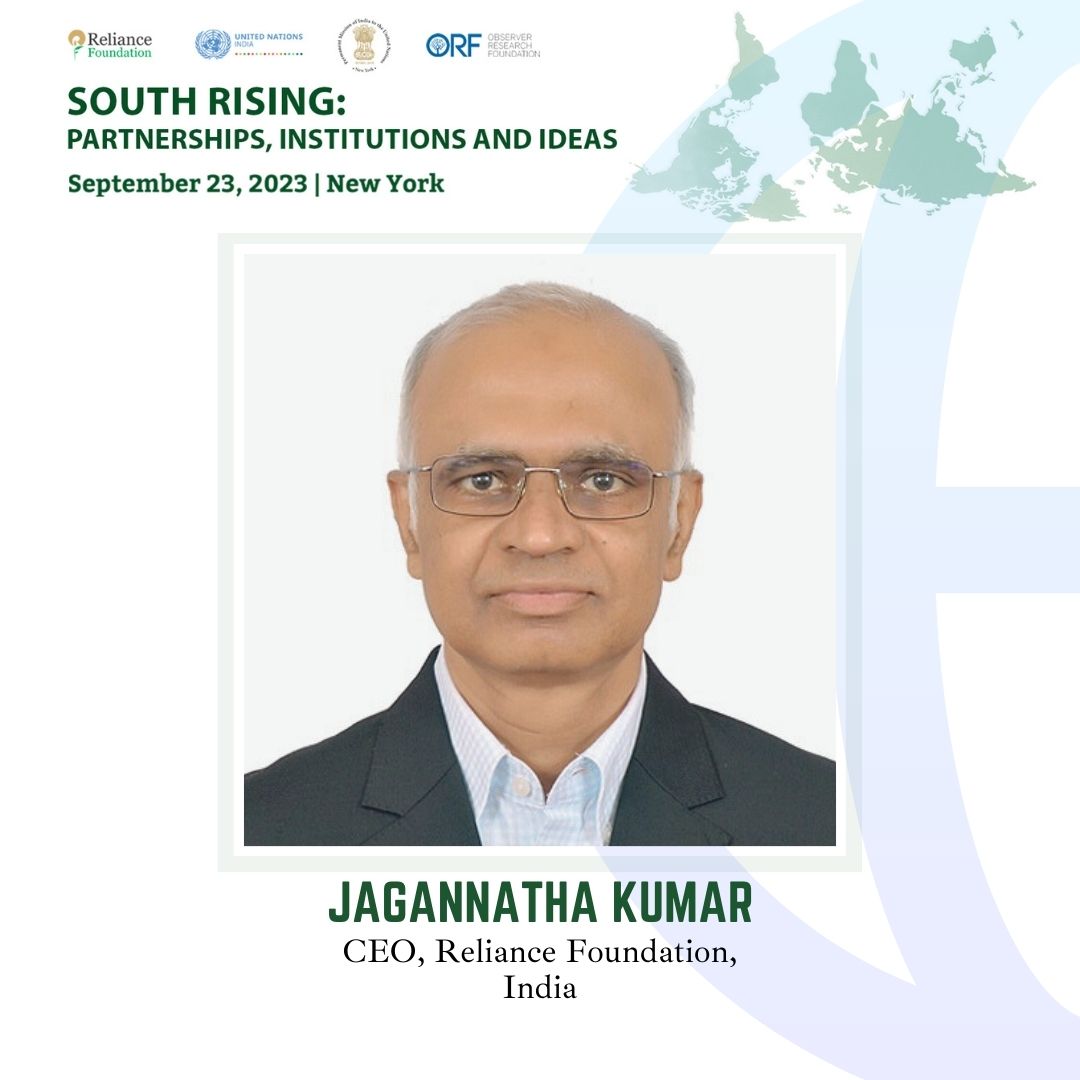
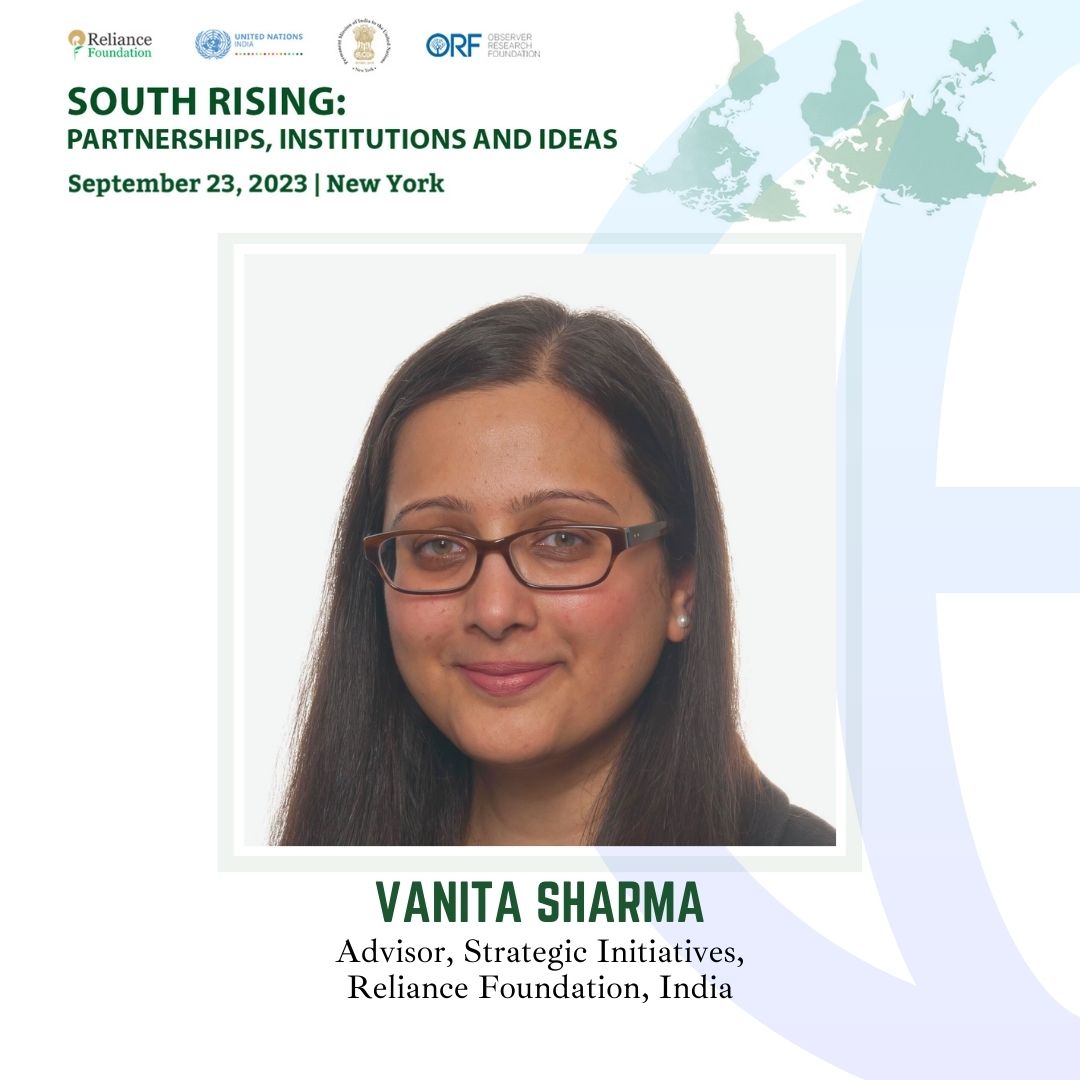
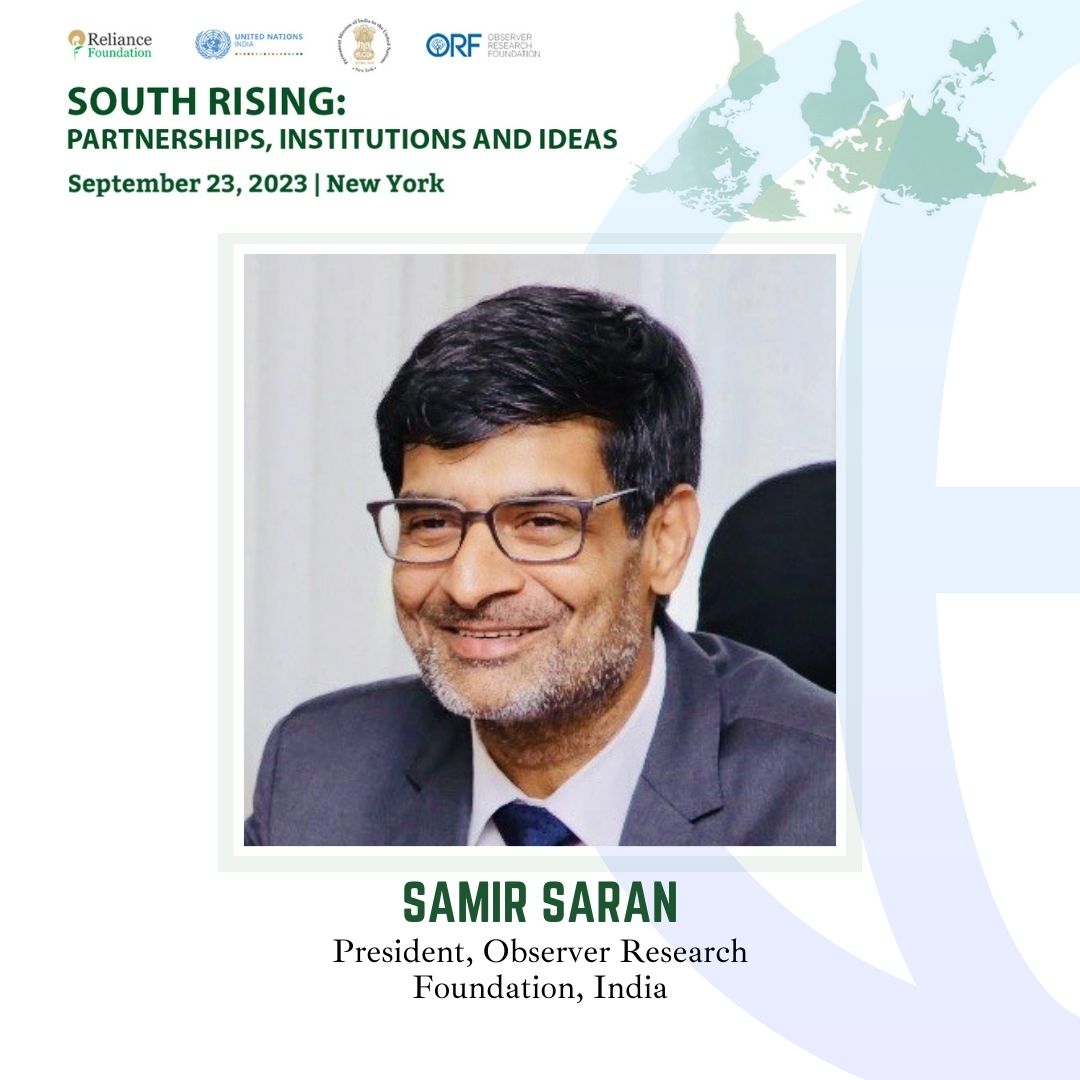
The second dialogue, on 23rd September 2023, South Rising: Partnerships, Institutions and Ideas will discuss the role of India and the Global South in advancing the UN’s Sustainable Development Goals agenda. The focus here will be not only on the significant role these regions play towards global development, but include deliberations on the post-2030 agenda and lessons to move forward from thereon.
Both dialogues will reinforce the commitment of various developmental organisations to generate continued dialogue, innovative partnerships, and new ideas in the pathway to accelerate the world’s progress toward the SDGs.
Following are the sessions for the Delivering Development: Journeys, Directions and Lighthouses dialogue:
Session 1 | The India Lighthouse: Serving the Farthest First
India has the potential to be a major partner for other Global South countries in supporting their sustainable development aspirations and bringing back lessons to enrich its own. In this context, this panel discusses some crucial questions (1) What have been the major challenges in developing wide-ranging programmes and public services, and what are the lessons to be kept in mind? (2) How are various stakeholders with their own challenges and advantages, such as the private sector, and local governments engaged in these? (3) How can India’s experiences be translated for other geographies and equally, what lessons can India learn from other countries?
Session 2 | #SheLeads: The Green Shoots of Change
There is an emerging global discourse for more women in decision-making positions in politics, entrepreneurship, civil society, and business. Are there justifications beyond the argument that greater female representation at all levels of society is a social necessity? What arguments and examples can we find across the world about the economic and social impact of ecosystems that empower women? Will communities that build these systems effectively have an edge in rapidly changing times? How can both public and private institutions overcome traditional barriers that curtail the effective participation of women in policy and politics?
Session 3 | Beyond the SDGs: Perspectives, Propositions, Pathways
The SDG Mid-Term Review – which was launched in July 2023 – is identifying the development milestones attained by UN member states so far, assessing gaps in progress, and re-setting the targets that must be met by 2030. How can the global community come together in these seven years to achieve what it set out in 2015? What are the chief lessons learned from the SDG implementation exercise? Who are the key actors who might define the next phase of international development, and what kinds of new strategic partnerships might one expect? Could existing development blueprints like Africa 2063, and India’s roadmap for becoming a net zero emitter by 2070, help shape novel pathways for global inclusive growth and green futures?






More Events
Jio Institute
Developing world-class tertiary educational institutions
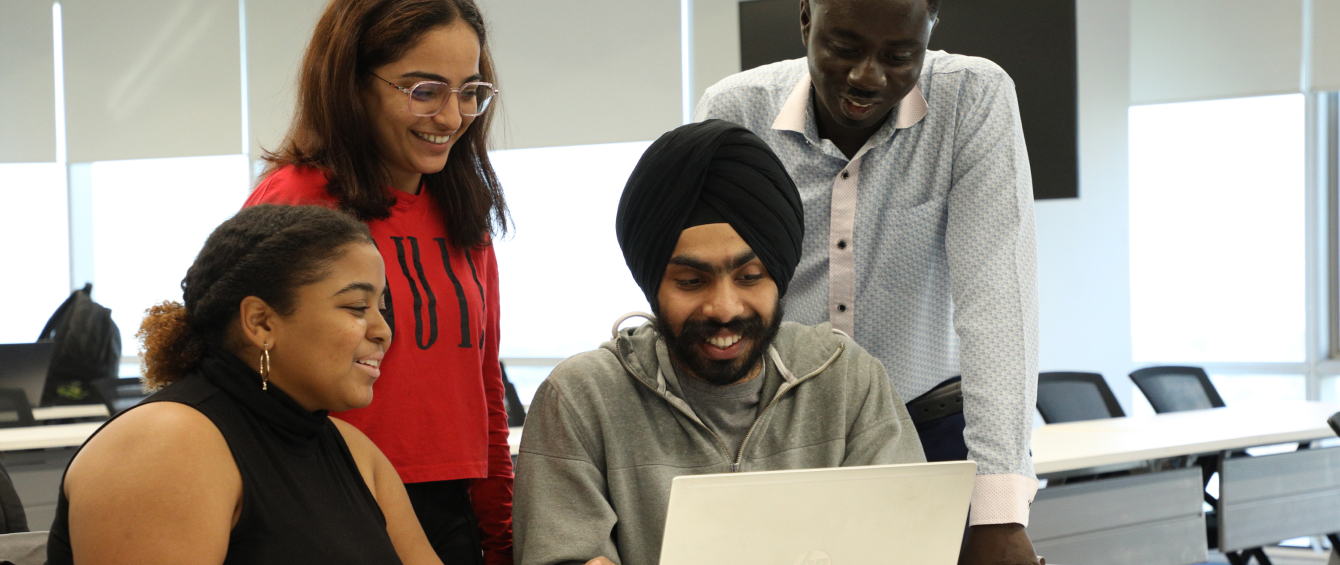
In education, higher learning stands as a vital transition and transformation phase, unlocking the full potential of young minds and shaping their futures. At the heart of this pursuit lies Jio Institute, a multi-disciplinary higher education institution set-up by the Reliance Foundation Institution of Education and Research (RFIER) in Navi Mumbai. With a steadfast commitment to excellence, Jio Institute aspires to be an institution of global repute, rooted in Indian values.
Dedicated to pursuing excellence, Jio Institute takes great pride in bringing together global scholars and thought leaders to foster an enriching student experience. The Institute empowers students to become the torchbearers of change through world-class education, relevant research platforms, and a culture of innovation.
It boasts state-of-the-art facilities at the Ulwe campus, encompassing internal amenities like classrooms, fully-furnished residences, collaborative spaces, laboratories and high performance gymnasium along with external facilities like state-of-the-art athelti, an open-air amphitheatre, an academic lawn and beautiful campus landscapes.
The Institute offers three one-year, full-time residential postgraduate programmes (PGPs) in Artificial Intelligence & Data Science, Management (specialisation in Marketing & Finance), and Sports Management.
Recognising the need for upskilling, reskilling, and continuous learning in contemporary business, Jio Institute offers customised Executive Education programmes in areas such as AI & Digital Transformation, Strategy & Leadership, Retail Management, Women Leadership, and more. It provides professionals with an immersive learning experience, combining insights from global experts, cross-sector peer networking, and a transformative academic journey.
It also offers a range of continuing education programmes tailored for diverse age groups and disciplines, including summer programmes, K-12 educator development initiatives, and courses in emerging fields such as AI, Data Science, Technology, Digital Marketing, and FinTech.
The Institute advances knowledge through cutting-edge research. The faculty are actively engaged in impactful fields like biomedical sciences, materials, and computer vision. These efforts drive scientific advancements and address key challenges in technology, having published in high-impact journals including Nature, Nano Letters, IEEE Transactions on Medical Imaging and more.
Since its establishment, Jio Institute has contributed to the UN SDG 4, promoting accessible and equitable quality education.
Jio Institute website: LEARN MORE
Reliance Foundation Scholarships
Nurturing India’s youth and future leaders
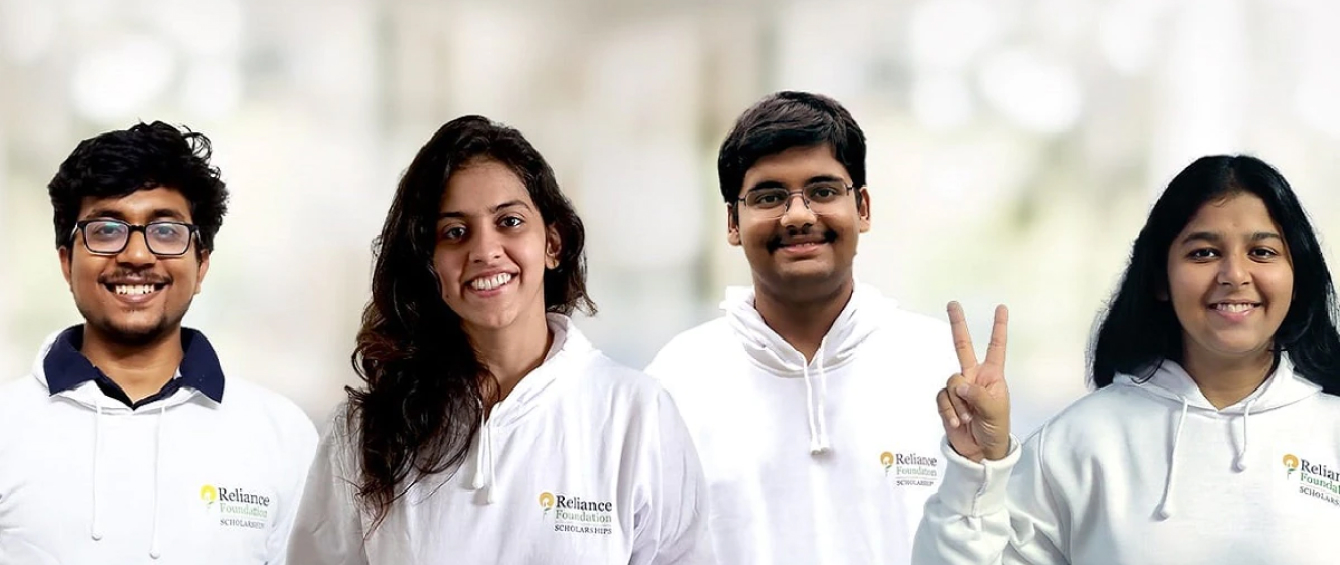
Reliance has been providing scholarships to meritorious students for over 29 years, inspired by its Founder-Chairman Shri Dhirubhai Ambani’s belief that the best way to ensure the nation’s progress is to invest in its youth. Reliance Foundation Scholarships aim to nurture and empower students, enabling them to pursue higher education.
In pursuing a brighter tomorrow, Reliance Foundation recognises the transformative power of education and the pivotal role of scholarships in making this a reality for many young people. Over the years, these scholarships have touched the lives of over 33,000 deserving students in India, opening doors of opportunity and nurturing future leaders.
The Dhirubhai Ambani Scholarship (DAS), established in 1996, awards scholarships to students from underprivileged backgrounds. It empowers outstanding students to pursue their dreams of higher education, regardless of financial constraints. With 12,776 students benefitting from DAS across India, the impact reaches far and wide, embracing diversity and inclusivity.
In 2020-21, the Reliance Foundation Scholarships (RFS) took flight, aiming to support India's brightest youth in fields like Artificial Intelligence, Computer Sciences, Mathematics & Computing, and Electrical and/or Electronics Engineering. The rigorous selection process identifies 100 exceptional students annually, enabling them to soar and lead India's technological growth.
In December 2022, on the occasion of the 90th birth anniversary of Shri Dhirubhai Ambani, Founder - Chairman of Reliance Industries Limited, Reliance Foundation announced that it will significantly strengthen its commitment to youth, awarding 50,000 scholarships over the next 10 years for students pursuing higher education in India.
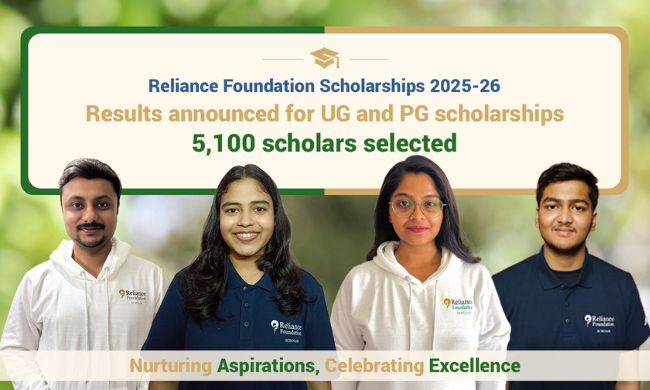
Since 2022-2023, Reliance Foundation has been supporting 5,100 students annually, including 5,000 meritorious undergraduate students from underprivileged sections of society studying any stream of their choice through the Reliance Foundation Undergraduate Scholarships, and 100 of India's brightest postgraduate students studying eligible subjects in new technologies through the Reliance Foundation Postgraduate Scholarships.
Reliance Foundation Scholarships: LEARN MORE
Reliance Foundation Schools
Empowering young minds
Education is the cornerstone of nation-building. As teaching and learning continue to be shaped by new pedagogies, technological advancements, and evolving societal expectations, India’s educational landscape is undergoing a significant transformation in pursuit of its vision to become a developed nation.
Reliance Foundation Schools (RFS) serve as a springboard for meaningful learning in an increasingly interconnected and dynamic world. Rooted in enduring values and cultural continuity, the schools nurture responsible, confident, and future-ready citizens who contribute to a harmonious and progressive society. RFS inspires curiosity and imagination, fosters excellence, and ensures that learning is engaging and joyful – laying a strong foundation for lifelong learning and global citizenship.
At RFS, we believe that every child is inherently talented. In a supportive and stimulating environment, each learner is encouraged to realise their full potential. The schools emphasise academic rigour alongside holistic development through a balanced integration of curriculum, sports, and co-curricular programmes. Active participation, creativity, and experiential learning are integral to classroom practices, enabling students to develop critical thinking, collaboration, and leadership skills.
The 12 Reliance Foundation Schools, located across Jamnagar, Surat, Vadodara, Dahej, Navi Mumbai, Lodhivali, Nagothane, and Nagpur, collectively provide quality education to over 14,000 students each year. The schools are affiliated with the CBSE, Gujarat State Board, and Maharashtra State Board, offering education from Kindergarten through Class 12.
Over the years, Reliance Foundation Schools have consistently strengthened academic standards and achieved notable success across academics, sports, co-curricular pursuits, and university placements. These accomplishments are reflected in the numerous awards and recognitions earned by the schools, reaffirming their commitment to excellence in education.
Reliance Foundation Schools website: LEARN MORE
More Education Initiative
Dhirubhai Ambani International School
Nurturing young minds through excellent education
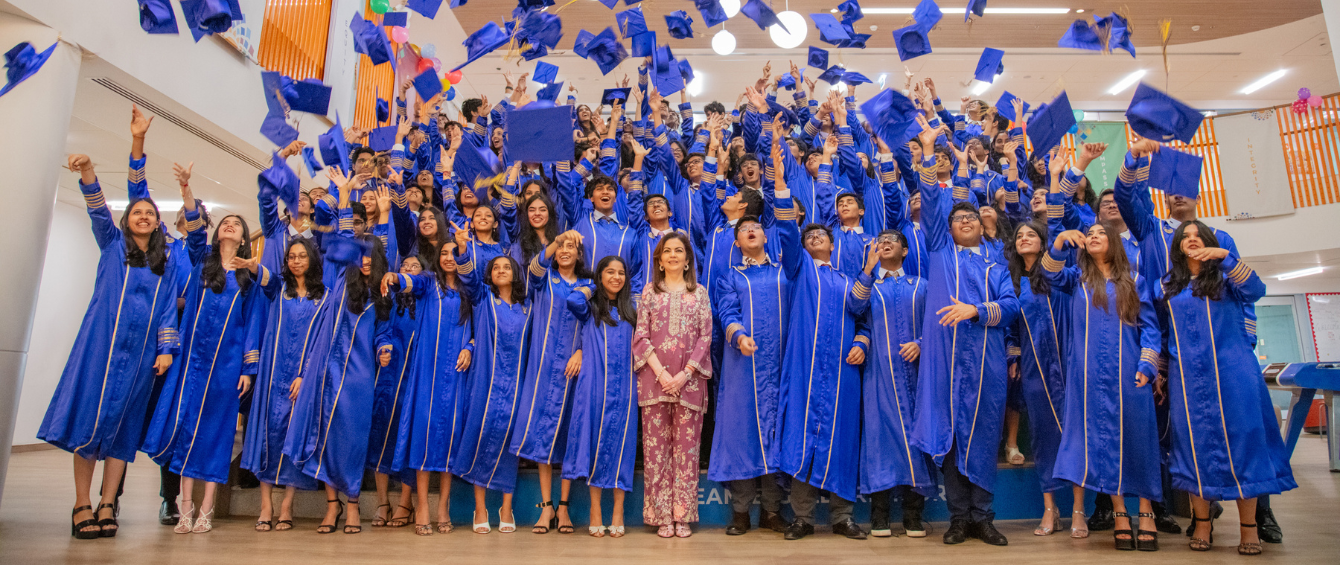
Dhirubhai Ambani International School (DAIS) is a K–12 co-educational international day school committed to the holistic development of every child—intellectual, emotional, physical, and ethical. Established in 2003 by its Founder and Chairperson, Mrs Nita M. Ambani, an educationist, philanthropist, and advocate for balanced education, DAIS was envisioned as a safe, inclusive, and intellectually vibrant learning community where young people are encouraged to thrive.
DAIS offers a rich and rigorous academic pathway through the ICSE, IGCSE, and the International Baccalaureate Diploma Programme (IBDP), enabling students to pursue academic excellence while developing curiosity, resilience, integrity, and a strong sense of purpose. Equal emphasis is placed on wellbeing, values, creativity, sport, and service, ensuring that learning extends meaningfully beyond the classroom.
The school’s accomplished and diverse faculty — drawn from India and across the world — bring deep expertise, cultural perspective, and a shared commitment to learner-centred pedagogy. This diversity enriches classroom practice and nurtures globally minded students grounded in empathy and respect.
DAIS’s sustained commitment to excellence has been consistently recognised nationally and internationally. The school has been ranked among the top 15 IB schools globally for seven consecutive years (2019–2025) and No. 1 IB School in India and South Asia during the same period by Education Advisers. DAIS has also been recognised by EducationWorld as the No. 1 International School in India for 12 consecutive years (2013–2024) and, in 2025, as India’s No. 1 Ivy League International School with a five-star rating — reflecting excellence across curriculum and pedagogy, faculty quality, student wellbeing, leadership, sports education, and inclusive learning support.
DAIS is proudly an international school with an Indian mind, heart, and soul, rooted in India’s values while preparing students to engage thoughtfully, confidently, and responsibly with the world.
Dhirubhai Ambani International School website: LEARN MORE
Nita Mukesh Ambani Junior School
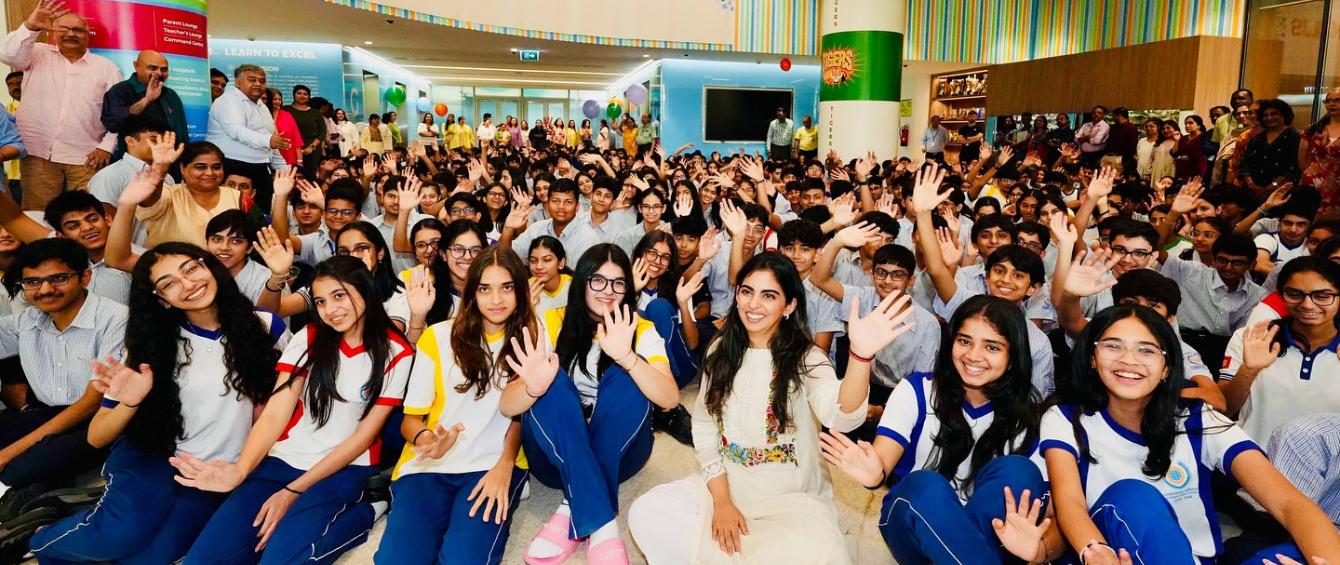
Nita Mukesh Ambani Junior School (NMAJS) is a co-educational IB World School offering the International Baccalaureate Primary Years Programme (PYP) from Early Years through Grade 5, and the Middle Years Programme (MYP) in the upper grades, across its Jio World Centre and Bandra-Kurla Complex campuses.
Rooted in the DAIS (Dhirubhai Ambani International School) philosophy, NMAJS is committed to the holistic development of every child—intellectual, social, emotional, physical, and ethical. Learning is designed to be joyful, purposeful, and deeply engaging, nurturing curiosity, agency, and a lifelong love of learning.
With a 1:5 teacher–student ratio, learners benefit from highly personalised attention and strong relationships that support both academic growth and wellbeing. Open, flexible, and thoughtfully designed learning spaces—indoors and outdoors—encourage inquiry, collaboration, reflection, and experiential learning beyond traditional classroom boundaries.
Through innovative pedagogy, evolving curriculum design, and future-ready environments, NMAJS empowers students to think critically, act creatively, collaborate meaningfully, and communicate with confidence—preparing them not just for the next stage of schooling, but for life.
Nita Mukesh Ambani Junior School website: LEARN MORE
More Education Initiative
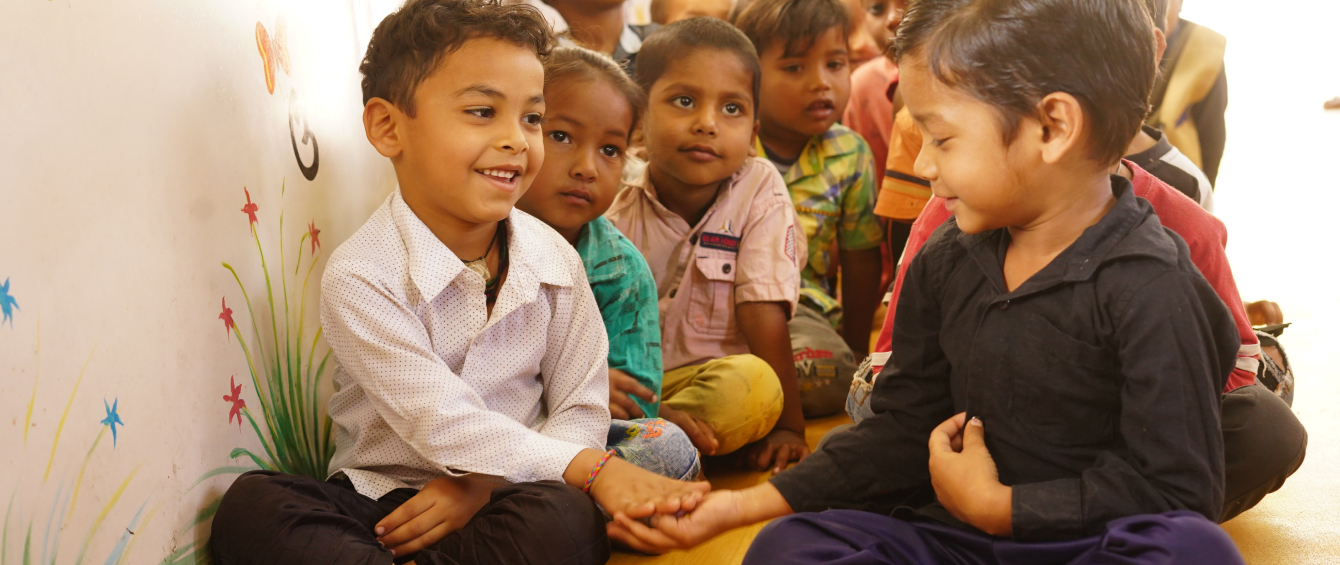
Foundational Literacy and Numeracy
Bridging the learning gap with Foundational Literacy and Numeracy
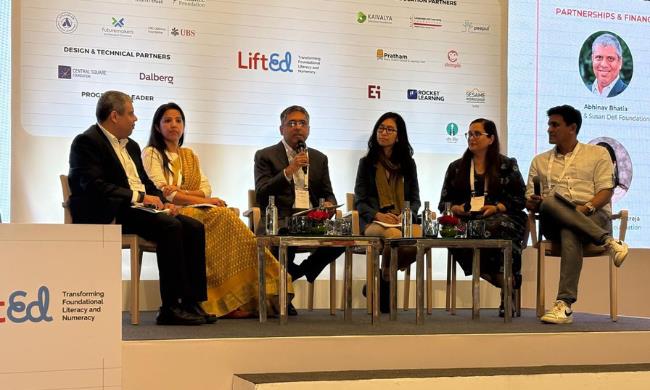
Building on the Government of India’s NIPUN Bharat Mission to achieve universal Foundational Literacy and Numeracy (FLN) for children across India, LiftEd – a unique $18mn outcomes-based initiative – has benefitted 4 million children in India across 15+ states.
As we mark four years of the NIPUN Bharat Mission, LiftEd is demonstrating how the private sector and civil society can come together through innovative financing structures to support and strengthen the government’s intent to universalise FLN by 2026-27.
Reliance Foundation is a founding partner of LiftEd along with the Michael & Susan Dell Foundation, Bridges Outcomes Partnerships, the Maitri Trust, Atlassian, Standard Chartered Bank, and UBS Optimus Foundation. The British Asian Trust is the programme leader and Central Square Foundation and Dalberg Advisors are design and technical partners.
LiftEd stands out for its innovative finance model and systemic impact. Using principles of outcomes-based financing, funding is tied to measurable results, ensuring transparency, accountability, and efficiency. Instead of creating a parallel system, LiftEd strengthens the existing education ecosystem though three key interventions:
1. Development Impact Bond (DIB):
Partners with state governments in five states (Himachal Pradesh, Haryana, Delhi NCR, Uttar Pradesh, and Bihar).
Focuses on improving governance, transforming administrators into educators, and establishing effective classroom practices across public schools.
Measures progress using children’s learning assessments as defined by NIPUN Bharat alongside ‘Systemic Shift Indicators’ that track outcomes such as effective teacher mentorship and integration of FLN data within block review meetings.
The education partners leading the implementation of the DIB are Kaivalya Education Foundation, Language and Learning Foundation, Peepul, and Pratham Education Foundation.
2. EdTech Accelerator:
Develops high-quality, contextually relevant EdTech solutions to improve FLN for children from low-income families across 15+ states.
Shapes the future of tech-based home learning for FLN by scaling effective EdTech solutions and generating deeper evidence on what works.
Supports partners to solve specific anchor challenges to improve scale, engagement, and product contextualisation for low-income segments.
The EdTech partners are Chimple, Ei Mindspark, Pratham Education Foundation, Rocket Learning, Sesame Workshop India, ThinkZone, and Top Parent.
3. District Innovation Challenge:
A unique, state-level innovation challenge in partnership with a large state in east India to incentivise districts to improve FLN outcomes.
LiftEd’s innovative approach ensures it benefits millions of children over time by strengthening the education system itself. For example, in the DIB’s first year alone, the education partners have encouraged as many as 60% of government meetings at the block level to regularly review FLN data and plans, translating these into concrete actions that improve FLN.
Ultimately, LiftEd demonstrates the power of collaboration between civil society, government, and private sector (samaj-sarkar-bazar), unlocking the potential of young learners and reshaping India’s education landscape.
Click here to learn more about the LiftEd: Learn More
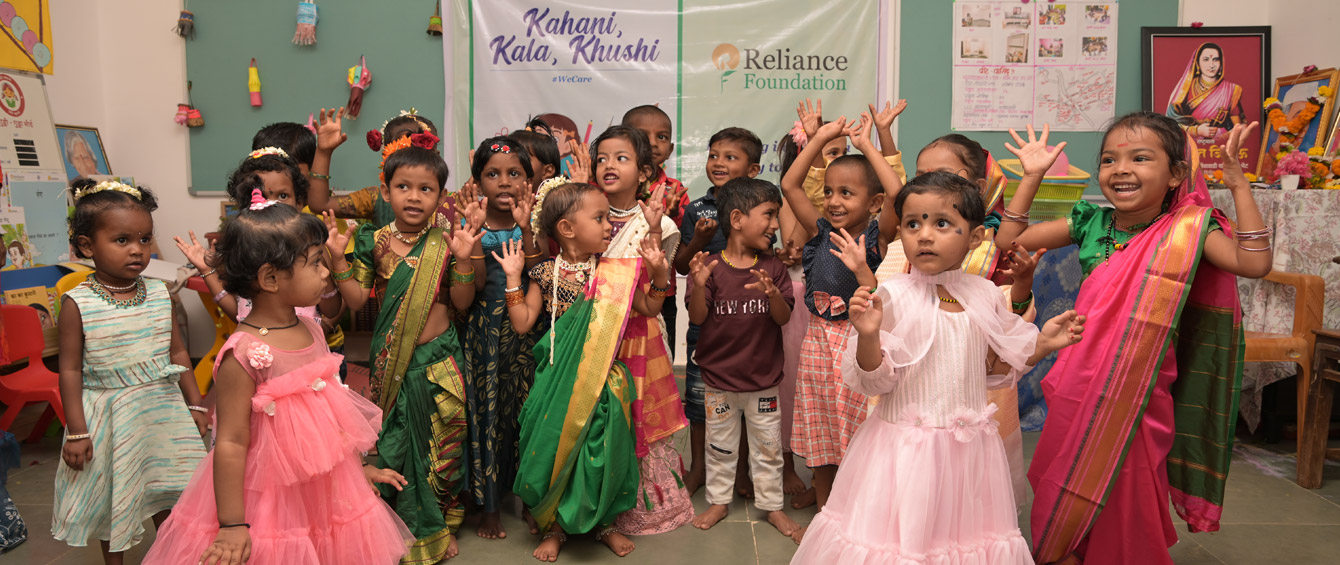
Early Childhood Care & Education
Advancing developmentally appropriate outcomes for children
Early childhood care and education is key to a child’s development in the early years, as over 85% of a child’s cumulative brain development occurs prior to the age of six (National Education Policy 2020). Children learn best during their early years through exploration, curiosity, and imaginative play. It is a world of wonder where they build connections, understanding, and a love for learning that lasts a lifetime.
Reliance Foundation recognises the transformative power of play-based learning during the foundational stage and has, since 2022, aimed to make developmentally rich play-based learning a widespread norm across India’s early education system through the Early Childhood Care and Education programme.
Reliance Foundation’s Early Childhood Care and Education programme, in partnership with the Integrated Child Development Services (ICDS) scheme in Maharashtra and the Women Development and Child Welfare (WD&CW) Department in Telangana, is dedicated to strengthening early childhood education in India. By providing innovative models for capacity building, community engagement, and creating enabling environments at Anganwadis, the programme aims to lay a strong foundation for lifelong learning and development.
Creating conducive teaching-learning environment
Reliance Foundation aims to create nurturing spaces that inspire curiosity, creativity, and holistic growth for young learners, fostering a brighter and exciting learning experience through a network of Anganwadi Learning Labs (AWLLs) and State ECCE Resource Labs (SERLs) in Maharashtra and Telangana.
These nurturing environments also serve as demonstration, training, learning, and innovation spaces for Anganwadi staff.
Reliance Foundation is investing in the redevelopment of AWLLs by upgrading key infrastructure, including enhanced kitchen and storage areas, access to purified drinking water, and dedicated outdoor play spaces. The redevelopment also introduces play equipment such as swings and slides, a nutrition garden, a range of educational toys, teaching-learning materials such as books, flashcards, and building blocks, as well as digital tools like a smart TV and laptop. In addition, child-friendly WASH facilities and age-appropriate furniture are being provided to create a safe, engaging, and developmentally supportive environment for children.
The Anganwadis that are re-developed also incorporate Building as Learning Aid (BaLA) concepts in their design and murals inspired by local art forms, culture, and heritage.
Building strong foundation through capacity building
Capacity building is a key pillar of Reliance Foundation’s ECCE programme, with focused training of Anganwadi staff playing a critical role in strengthening classroom practices and, in turn, improving child development and learning outcomes.
Aligned with the emphasis on play-based learning in NEP 2020, Reliance Foundation’s ECCE programme focuses on nurturing playful practitioners to create joyful and engaging classrooms. Its trainings are designed to be interactive and experiential, with a strong focus on language and cognitive development activities linked to foundational literacy and numeracy outcomes. Conducted within Anganwadi-Level Learning Labs (AWLLs), these trainings offer an ideal setting for Anganwadi staff to directly connect theory with practice, while ongoing onsite support from field teams helps reinforce learnings and strengthen the application of skills in real classroom contexts.
Parent and community engagement
Parents, caregivers, and the community play a critical role in a child’s development, especially during the early years. Reliance Foundation’s ECCE programme recognises this by forming parent groups and providing them with guidance and support to engage children in meaningful activities at home, helping create a stimulating learning environment. Initiatives such as the celebration of ECCE Day, School Readiness Melas, and other ECCE-related events further strengthen ECCE awareness among stakeholders, enabling families to actively support their children’s learning and development at home.
